
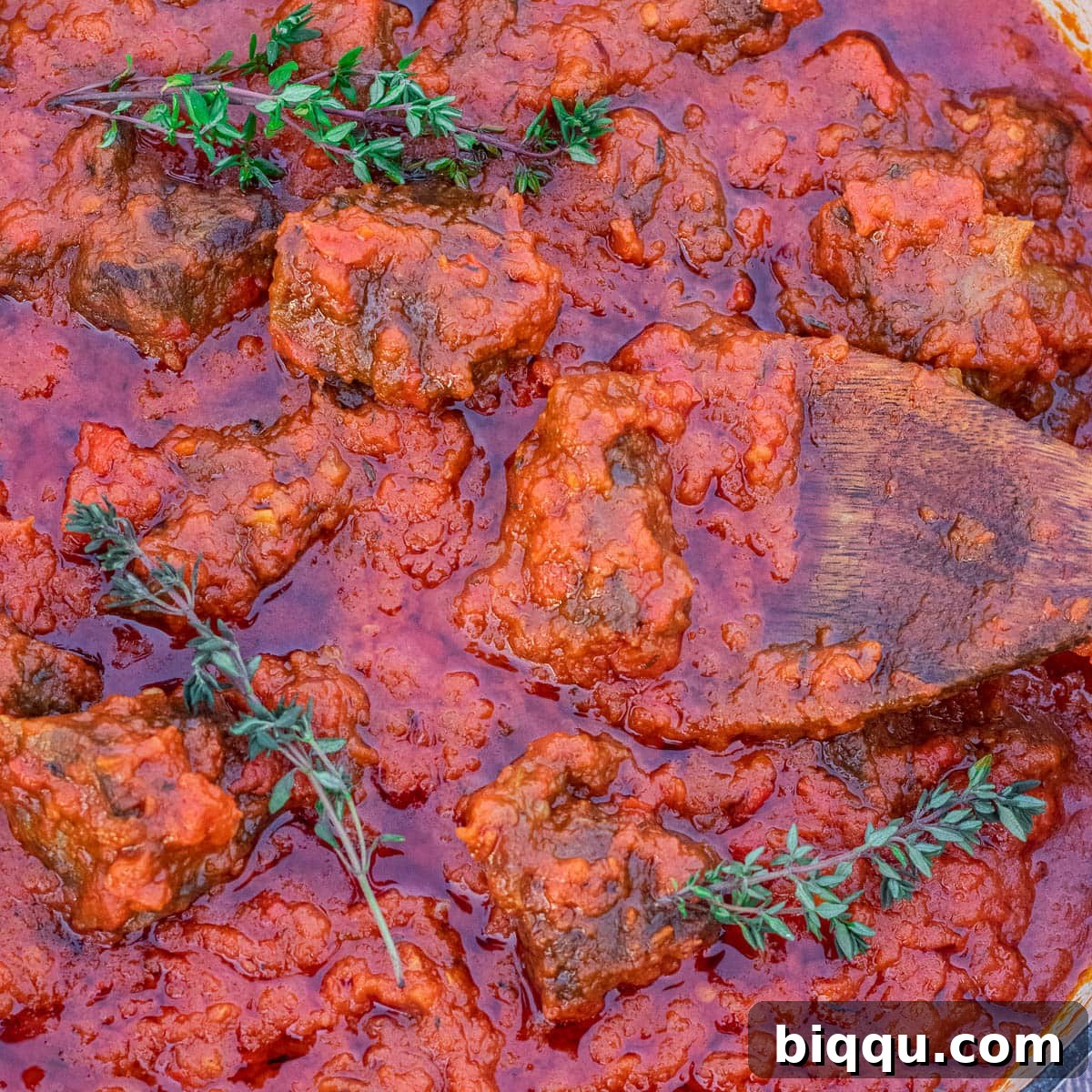
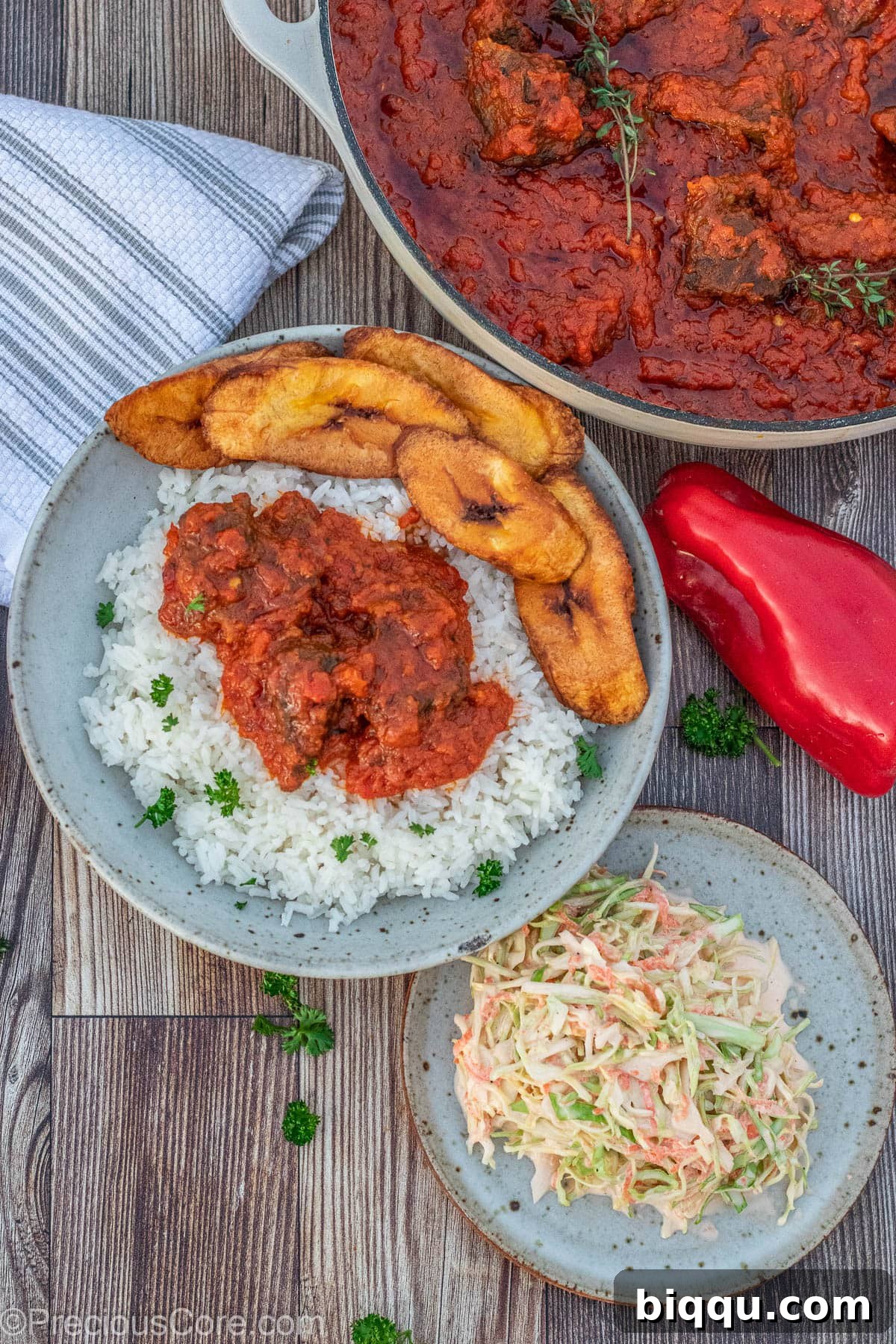
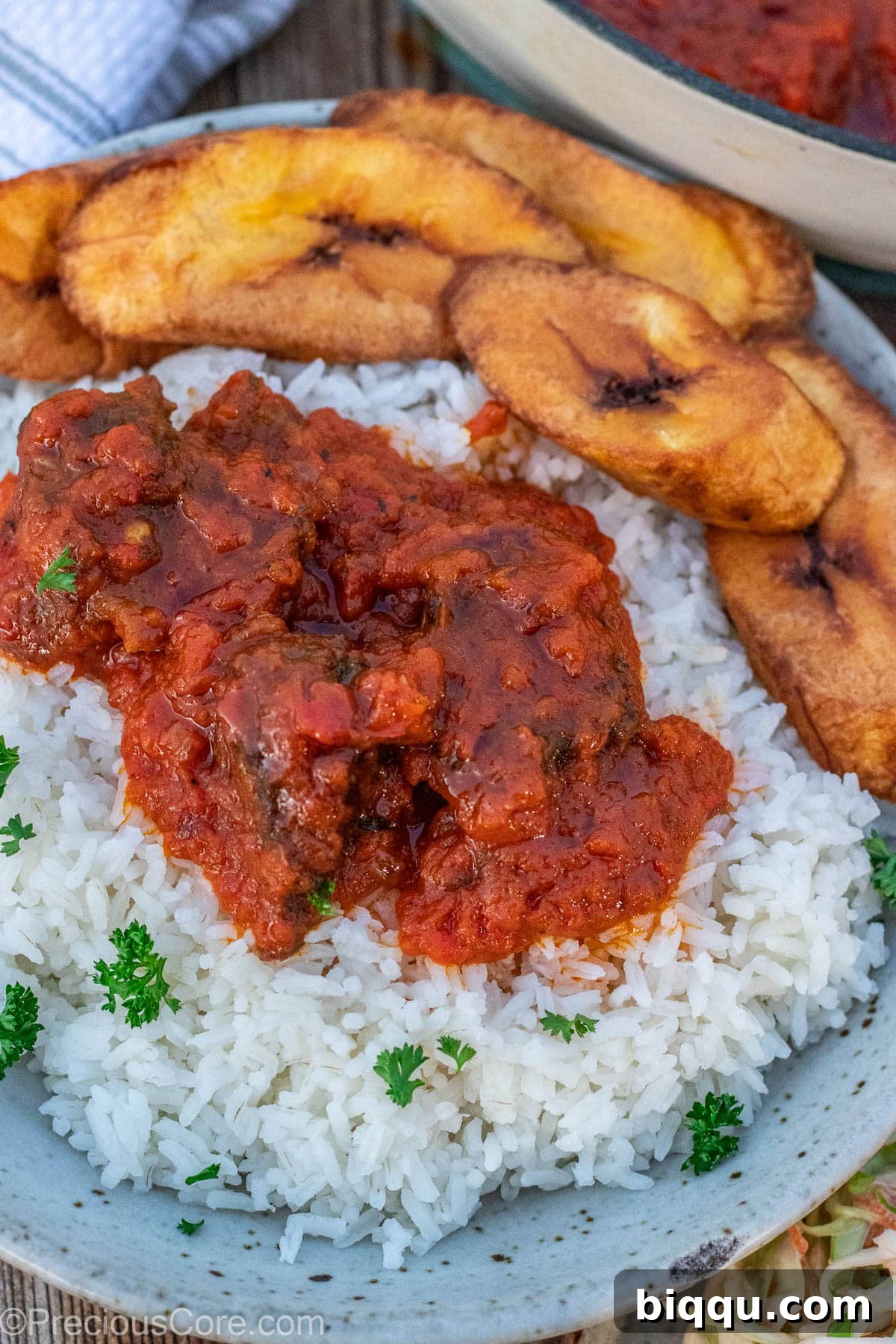
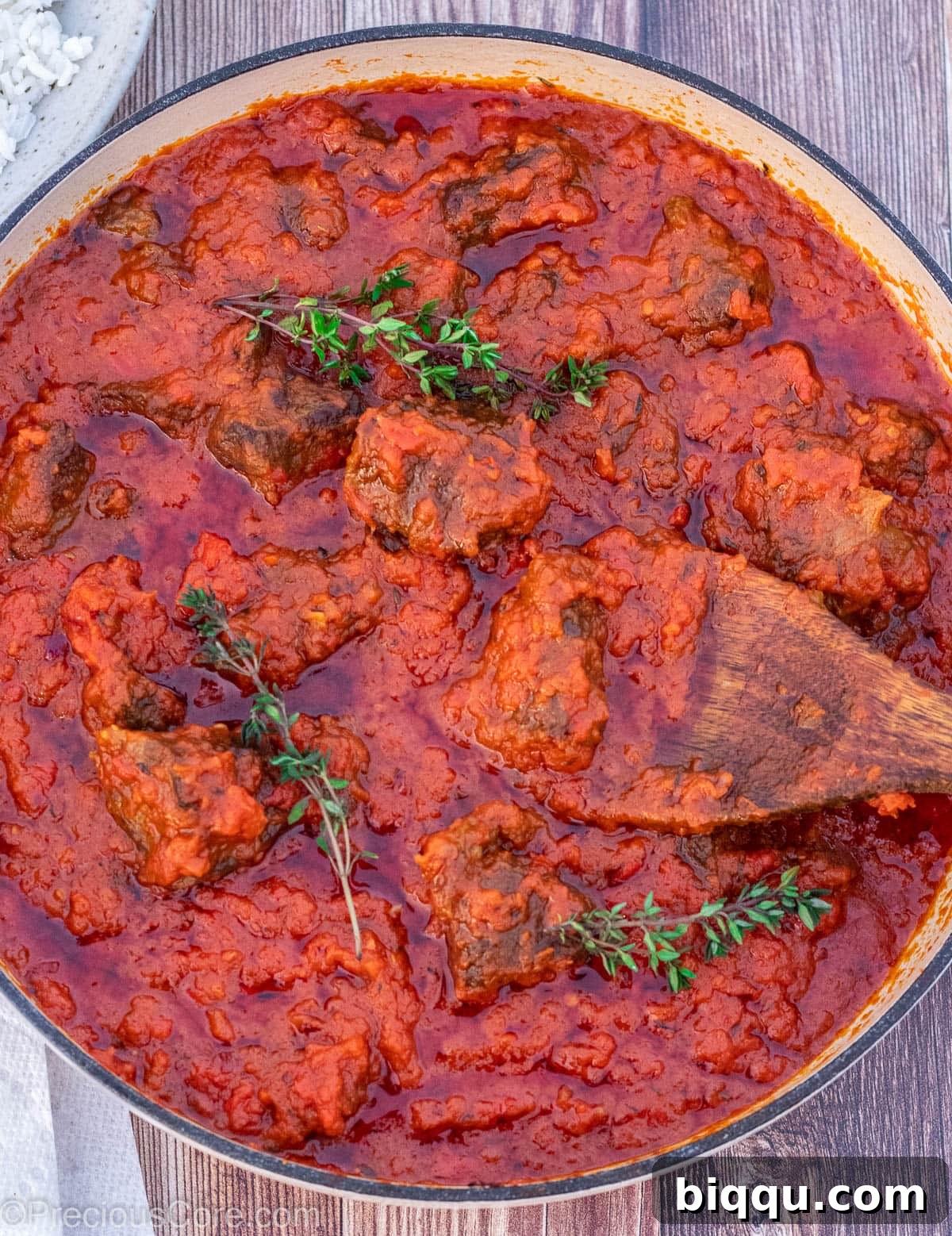
Nigerian Beef Stew is a quintessential dish from West Africa, celebrated for its rich, vibrant tomato base and tender beef. This stew is a symphony of flavors, crafted with succulent beef, sweet bell peppers, ripe tomatoes, and a blend of aromatic spices that define authentic Nigerian cuisine. Perfect for a hearty family meal, this versatile stew pairs wonderfully with staple sides like fluffy rice, sweet fried plantains, and a refreshing coleslaw, offering a truly immersive Nigerian dining experience.
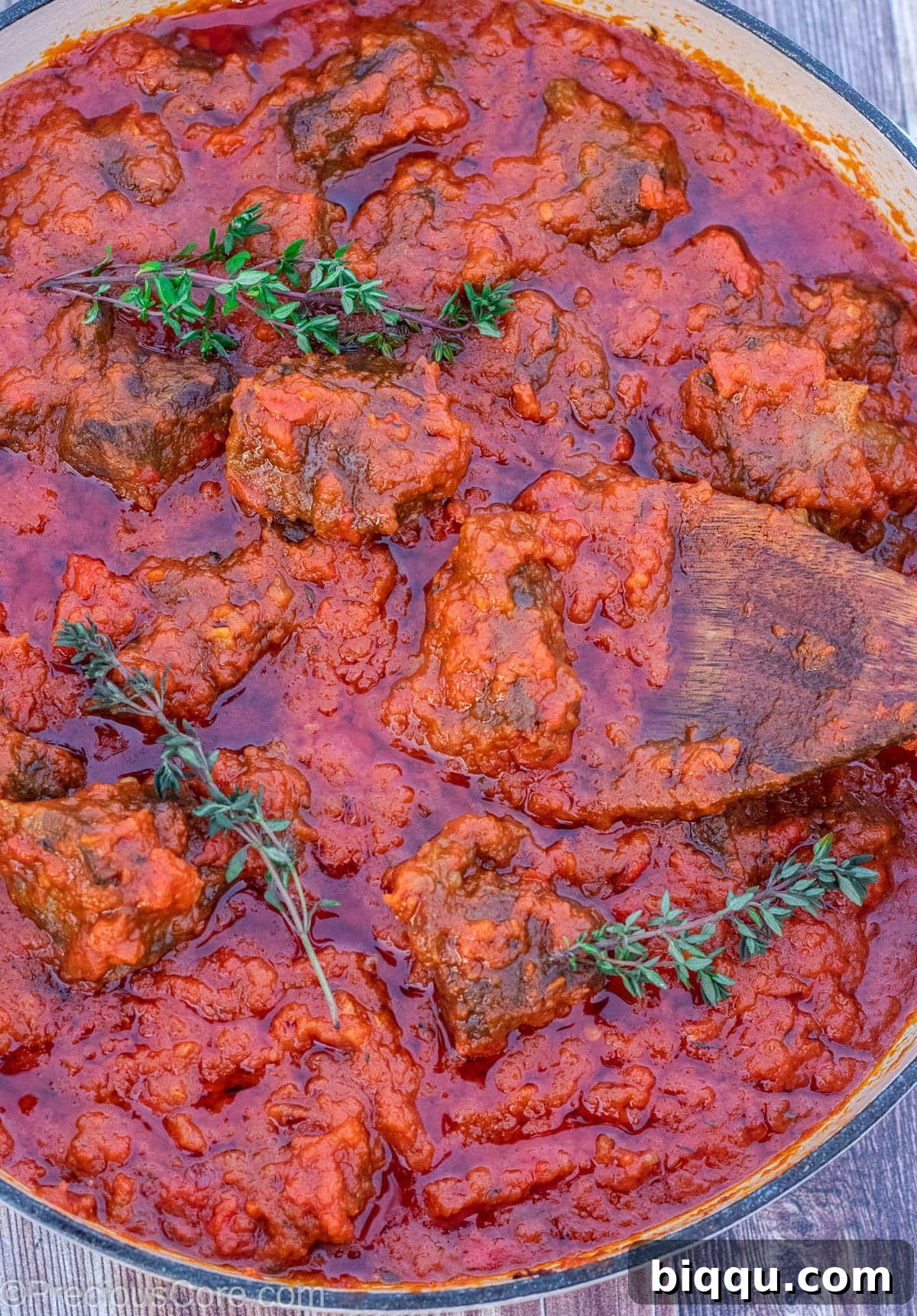
Across West and Central Africa, tomato-based stews hold a special place in culinary traditions. In countless Nigerian homes, this beef tomato stew isn’t just a meal; it’s a staple, particularly gracing tables on Sundays, often alongside steaming hot, fluffy rice. Its comforting presence also extends to significant celebrations, making a proud appearance on Christmas day, where it complements other beloved Nigerian festive dishes such as Jollof Rice or Fried Rice, enhancing the festive spirit with its deep, savory notes.
While sharing similarities with other regional favorites like African Chicken Stew and Tomato Fish Stew, this beef stew distinguishes itself with its robust beef flavor and unique spice profile. Its incredible versatility allows it to be served with a wide array of side dishes, including various types of rice, pasta, and even traditional African yams. Whether you’re preparing a simple weeknight dinner or hosting a special gathering, this Nigerian Beef Stew recipe is guaranteed to impress and satisfy.
My journey to perfecting this recipe began after spending invaluable time in Nigeria, cooking alongside local friends. Through their guidance and observing their authentic techniques, I uncovered the true secrets to crafting a truly exceptional Nigerian stew. This comprehensive guide is designed to share all the insights and techniques I gathered, empowering you to create a homemade Nigerian Beef Stew that rivals those made in the heart of West Africa.
Table of Contents
- Essential Ingredients for Nigerian Beef Stew
- Mastering Nigerian Beef Stew: A Step-by-Step Guide
- Versatile Substitutions for Your Beef Stew
- Exciting Variations to Customize Your Stew
- Storage and Meal Prep Tips
- Expert Tips for the Best Nigerian Beef Stew
- Nigerian Beef Stew: Frequently Asked Questions
- Explore More Related African Recipes
- Perfect Pairings for Your Nigerian Beef Stew
- Authentic Nigerian Beef Stew Recipe Card
Essential Ingredients for Nigerian Beef Stew
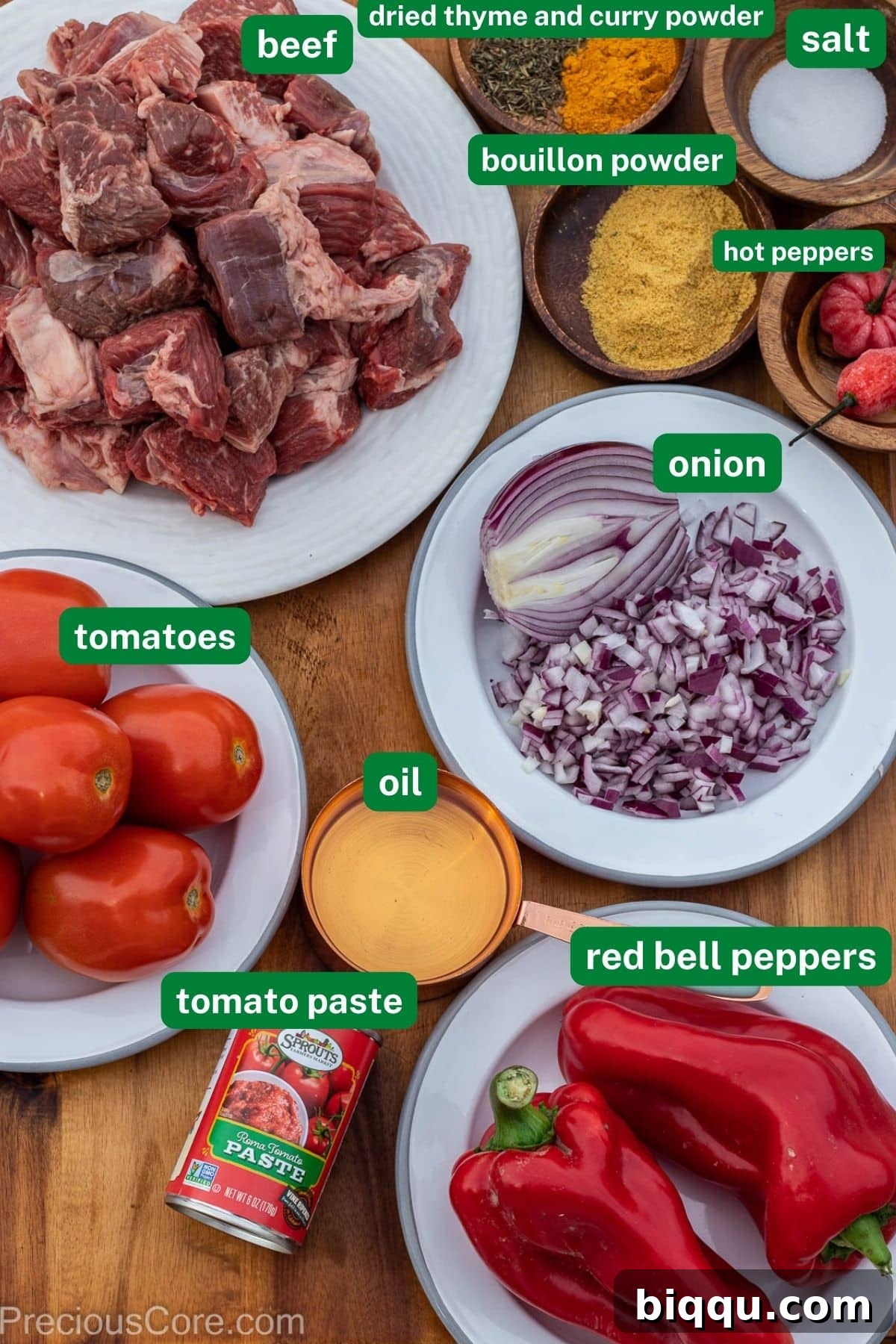
Crafting a truly flavorful Nigerian Beef Stew requires a careful selection of ingredients. You’ll need a total of 11 common and easily accessible ingredients to achieve that authentic, rich taste. This means most home cooks can readily prepare this delicious stew. Here’s a breakdown of the key components you’ll need:
Notes on Key Ingredients:
- Red Bell Peppers: These vibrant peppers are indispensable. They not only contribute a natural sweetness but, when combined with tomatoes, are responsible for the stew’s signature deep red color. Red bell peppers are a cornerstone in many Nigerian dishes, including the famous Nigerian Jollof Rice, adding both flavor and aesthetic appeal.
- Curry Powder and Thyme: These two spices are non-negotiable in authentic Nigerian cooking. Dried thyme and a good quality curry powder are pivotal in developing the unique, aromatic taste that defines this stew. Their combined fragrances are potent enough to infuse the entire dish with incredible depth and flavor.
- Beef: For the best results, chuck roast is highly recommended. This cut is known for its excellent flavor and ideal fat marbling, which renders down beautifully during cooking, enriching the stew. Chuck roast is also often more budget-friendly than other cuts. If you opt for a different type of beef, ensure it has sufficient fat marbling to guarantee a rich and tender outcome.
- Bouillon Powder or Seasoning Cubes: Many Nigerian recipes rely heavily on seasoning cubes, which are essentially concentrated bouillon powders. For this specific recipe, I prefer using Knorr Chicken Bouillon powder. This ingredient is crucial for adding that distinctive umami depth and savory foundation that makes West African cuisine so incredibly flavorful and memorable.
For precise quantities, please refer to the detailed recipe card provided at the end of this article.
Mastering Nigerian Beef Stew: A Step-by-Step Guide
Creating an authentic Nigerian Beef Stew might seem daunting, but it’s surprisingly straightforward when broken down into manageable steps. This guide outlines the 6 essential steps to achieve a rich, flavorful stew. For a detailed breakdown of measurements and timings, be sure to consult the recipe card at the bottom of this page. These key stages ensure every component of your stew reaches its full potential.
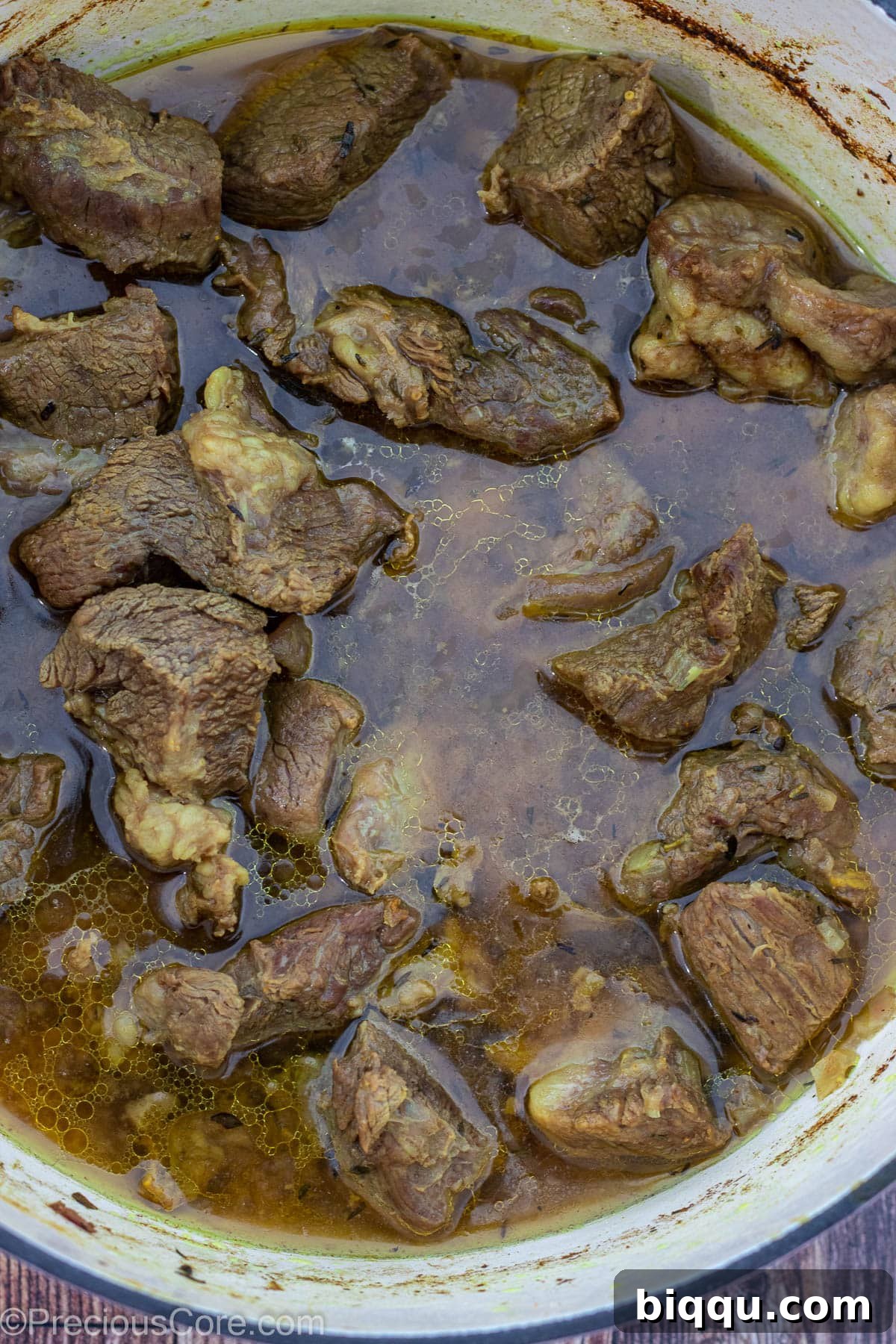
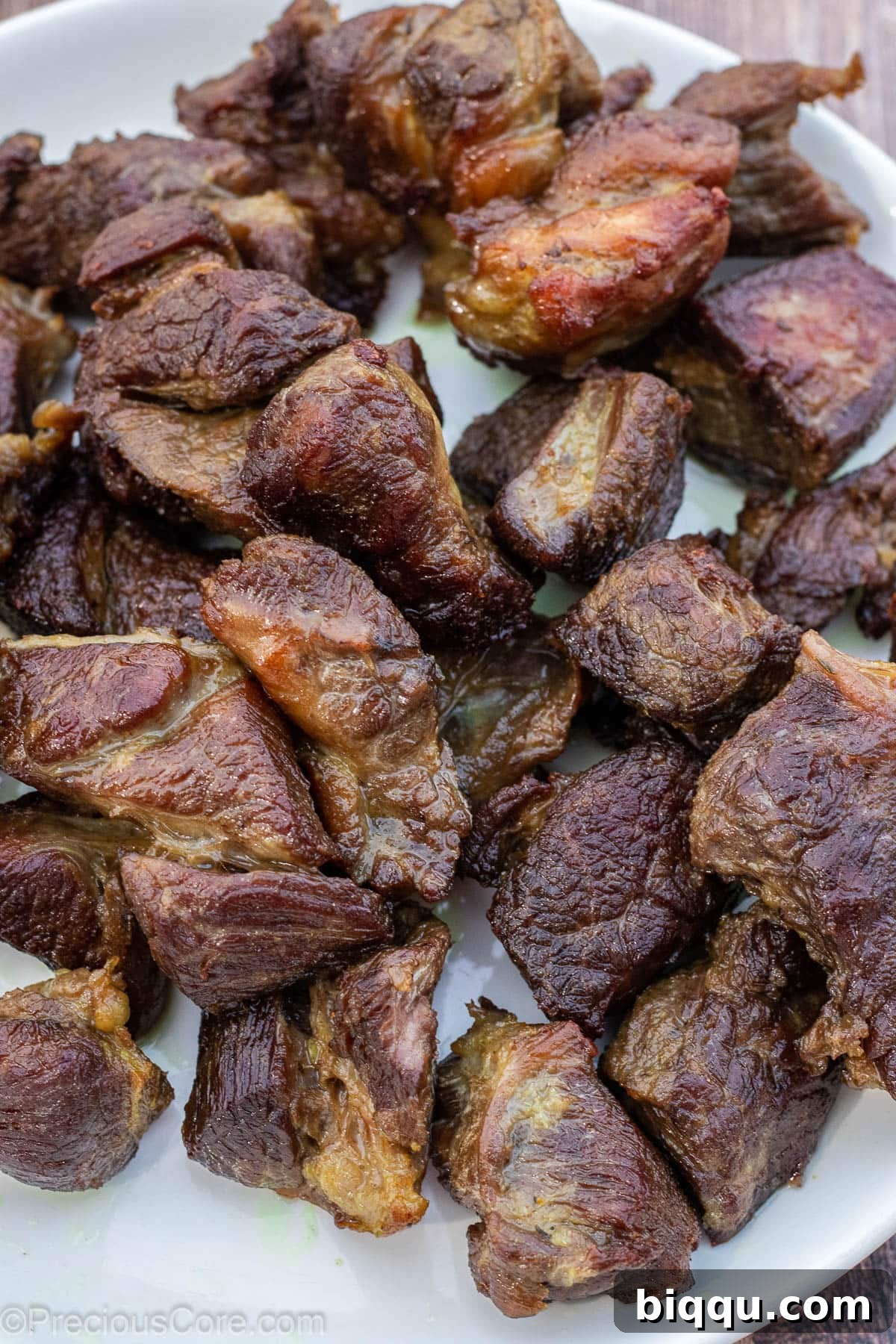
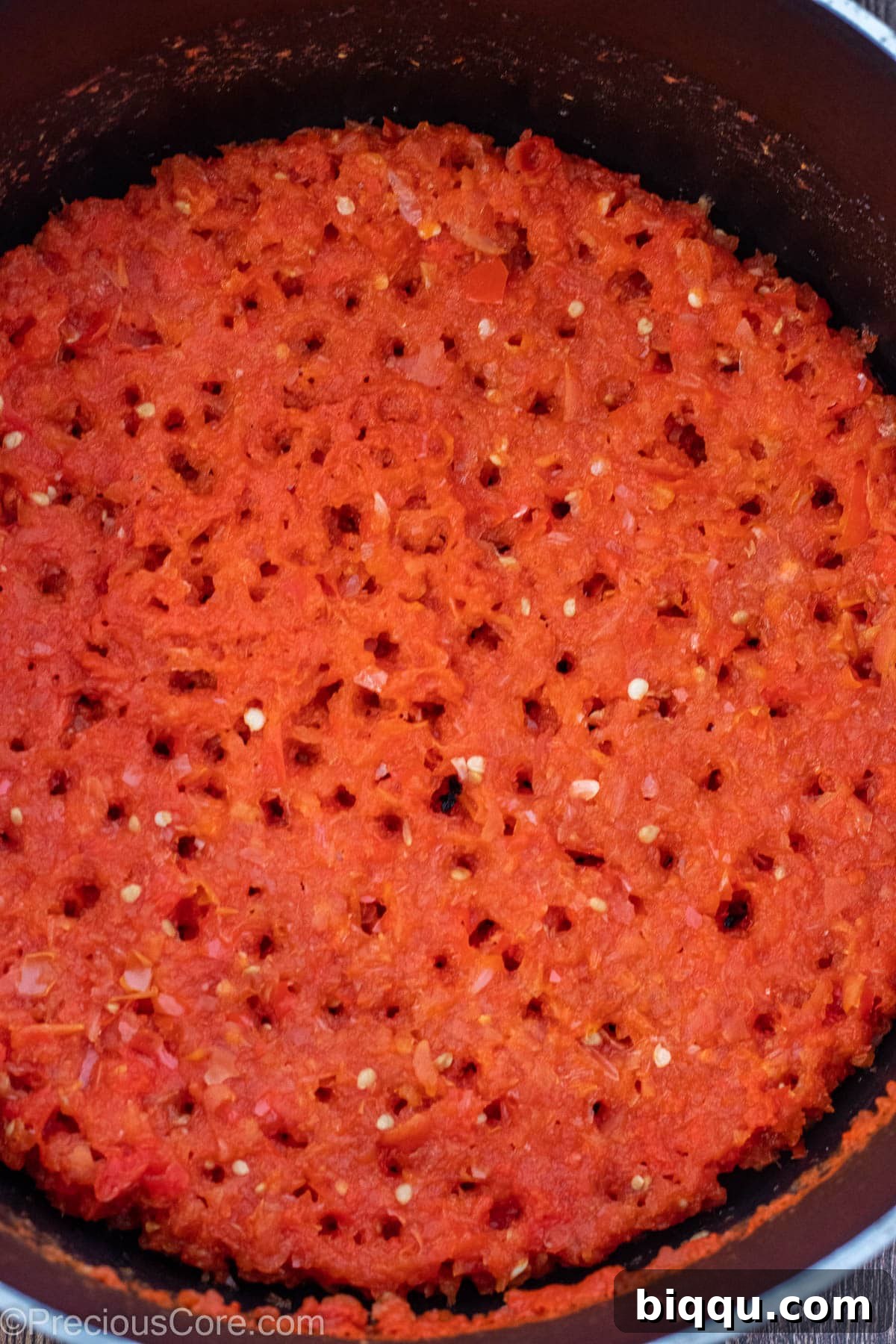
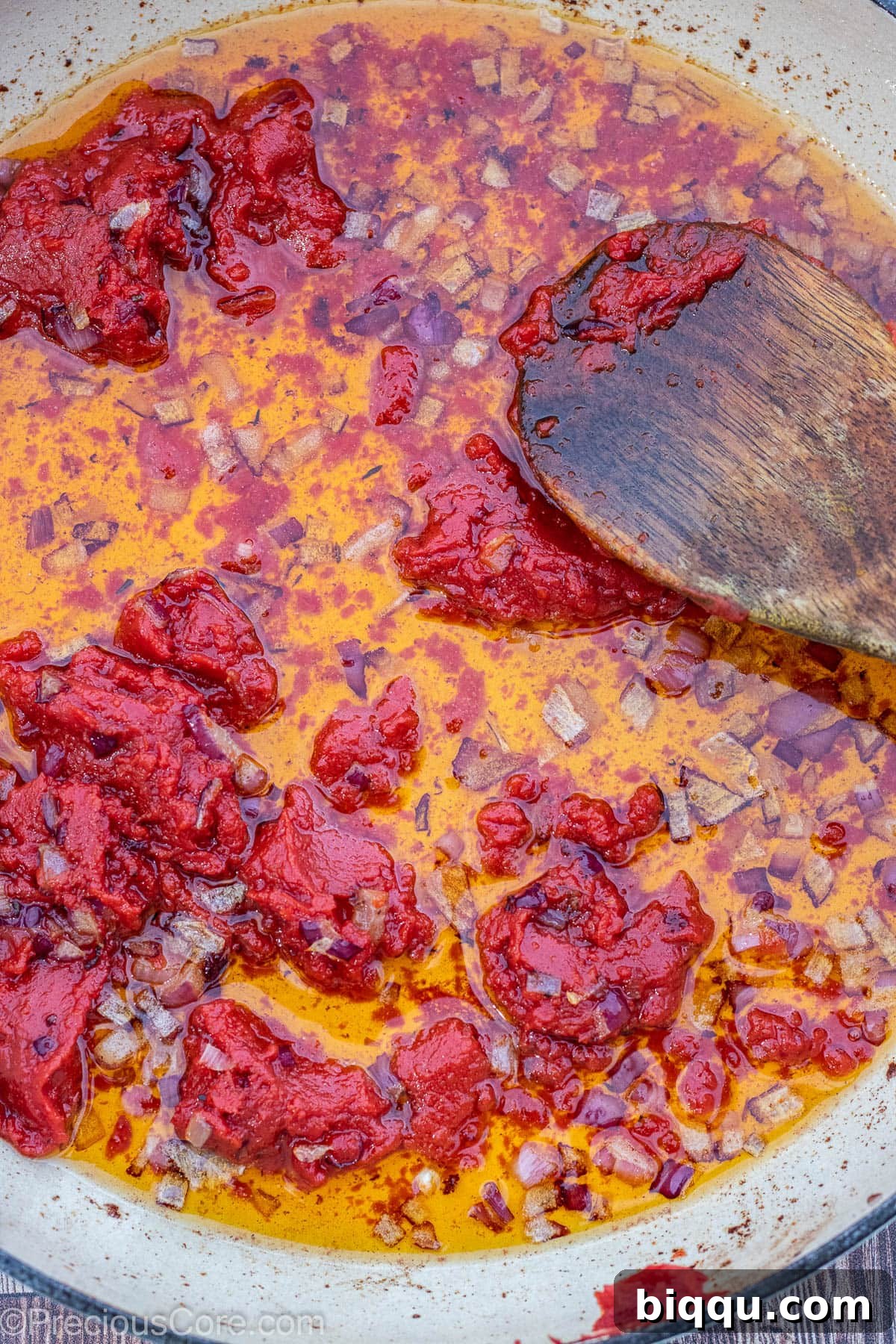
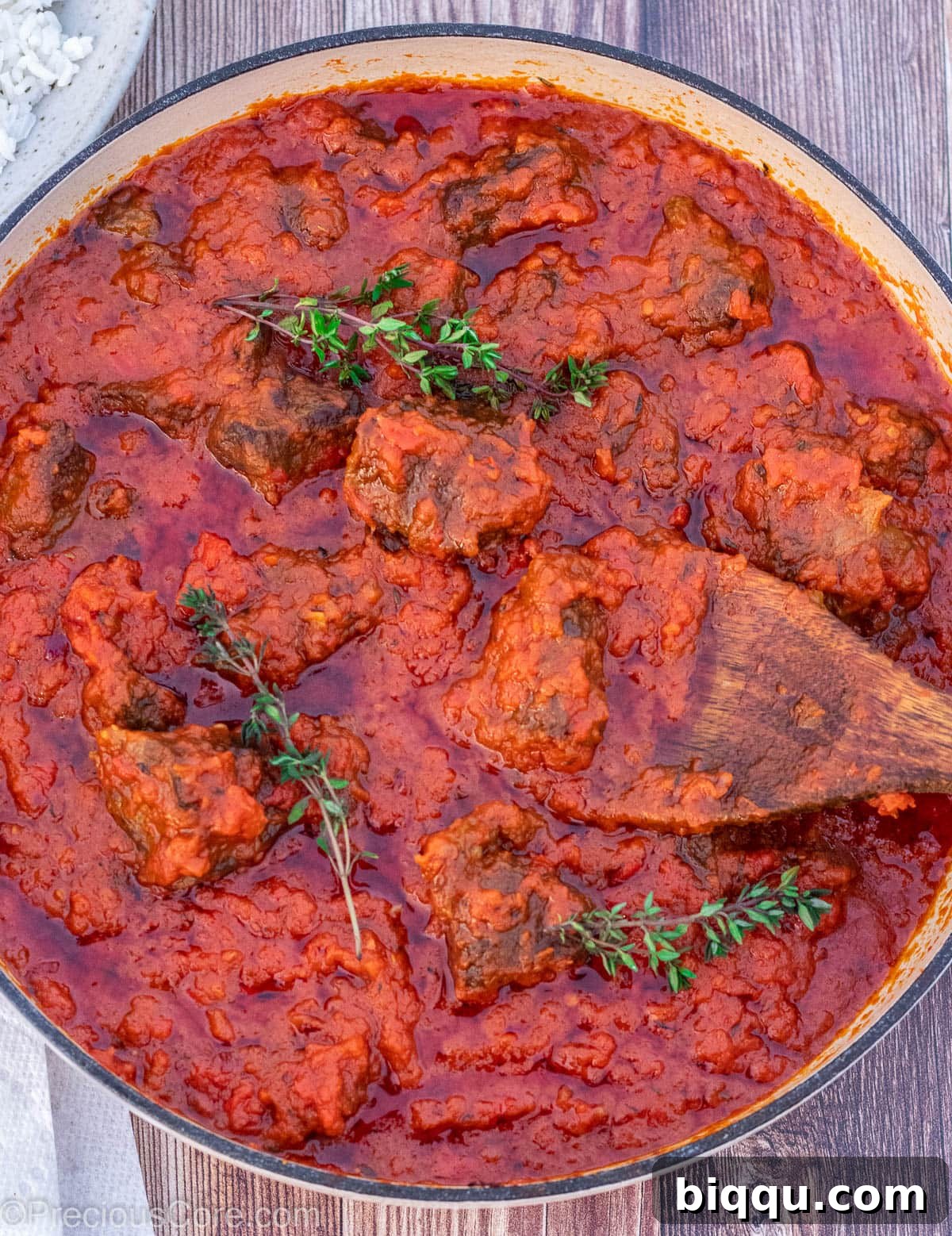
Chef’s Hint on Oil Usage: This authentic Nigerian stew recipe calls for a substantial amount of oil, which is crucial for properly cooking the tomatoes and peppers. This process transforms their raw, sometimes tart, flavor into a mellow, rich, and deeply savory base. If you are concerned about the quantity of oil, rest assured: you can easily skim off any excess oil from the top of the stew after it has finished cooking. This excess oil can then be stored and repurposed for other cooking tasks, ensuring no flavor goes to waste.
For those looking to expand their culinary repertoire, don’t forget to explore these other fantastic recipes: African Pepper Sauce for an extra kick, and Puff Puff, a delightful fried dough snack.
Versatile Substitutions for Your Beef Stew
One of the beauties of Nigerian Beef Stew is its adaptability. You can easily adjust this recipe to suit your dietary preferences or to utilize ingredients you already have on hand. Here are some excellent substitution ideas to switch up your stew:
- Chicken: For a delicious alternative, substitute the beef with chicken. Dark meat cuts like drumsticks and thighs are particularly recommended as they retain moisture and flavor wonderfully during the stewing process, creating a tender and juicy result.
- Tomato Sauce: If you prefer a lighter consistency or wish to use a different tomato product, tomato sauce can be used in place of tomato paste. Alternatively, crushed tomatoes offer a slightly chunkier texture and vibrant tomato flavor.
- Vegetarian Option: To transform this into a hearty vegetarian dish, simply replace the beef with substantial mushrooms. Portobello or cremini mushrooms work exceptionally well, absorbing the rich flavors of the stew base and providing a satisfying meaty texture.
Exciting Variations to Customize Your Stew
While Nigerian Beef Stew is traditionally known for its delightful spiciness, there are many ways to customize its flavor profile and texture. Feel free to experiment with these variations to make the stew truly your own:
- Adjusting Spiciness: If you prefer a less spicy stew, simply reduce the amount of habanero peppers. Even half a habanero can provide a pleasant warmth without overwhelming heat. Remember, a touch of heat helps to balance the natural sweetness of the bell peppers, creating a more complex flavor profile.
- Adding Vegetables: Boost the nutritional content and add an extra layer of texture by incorporating vegetables like carrots and green beans. Stir them in towards the end of the cooking process to ensure they remain crisp-tender, providing a delightful crunch and fresh flavor.
- Ginger and Garlic Infusion: For an even deeper and more pungent aroma, consider adding ginger and garlic paste to the stew. These ingredients are staples in many African cuisines and will elevate the overall flavor complexity.
- One-Pot Method: For ultimate convenience, try a simplified one-pot method. Combine all the ingredients in a single pot and cook until the beef is tender and the flavors have melded. This streamlined approach still yields a remarkably tasty and comforting stew.
For a fantastic example of a simplified stew, check out this version of African Beef Stew, expertly cooked in just one pot. It’s incredibly delicious and efficient!
Storage and Meal Prep Tips
Nigerian Beef Stew is an excellent candidate for make-ahead meals and batch cooking, as its flavors often deepen and improve with time. Properly stored, it remains delicious for days, making it perfect for busy weeks.
- Refrigeration: Store any leftover Nigerian Beef Stew in an airtight container in the refrigerator for up to 5 days. This allows for convenient reheating during the week.
- Freezing: For longer storage, the stew freezes beautifully. Transfer it to a freezer-safe, airtight container and store for up to 2 months. Thawing is best done overnight in the refrigerator.
- Reheating: To reheat, simply bring the thawed or refrigerated stew to a gentle simmer on the stovetop, stirring occasionally, until it is heated through. Alternatively, you can reheat individual portions in the microwave until warm.
Expert Tips for the Best Nigerian Beef Stew
- Choose the Right Beef: Always opt for a cut of beef with a good amount of fat marbling, such as chuck roast. The fat is crucial for lending significant flavor and moisture to the stew as it renders during cooking.
- Prepare Ahead: To save time on cooking day, you can prepare the tomato-pepper blend in advance. Blend the ingredients and cook them down until reduced, then store this base in an airtight container in the fridge until you’re ready to make the stew.
- Versatile Pepper Base: The cooked-down tomato-pepper blend is incredibly versatile. Make a larger batch and store it not just for this beef stew, but also as an excellent base for other Nigerian dishes, including the ever-popular Jollof Rice.
- Prevent Splattering: When cooking down the tomato-pepper mixture before frying, resist the urge to stir it constantly. This technique helps to prevent the mixture from splattering aggressively, keeping your kitchen cleaner and ensuring an even reduction.
- Manage Excess Oil: While oil is vital for developing the stew’s flavor, if you find the quantity to be too much after cooking, simply skim the excess oil from the surface. This flavorful oil can be saved and used in other dishes, adding a delicious depth.
Nigerian Beef Stew: Frequently Asked Questions
What is Nigerian stew made of?
Nigerian stew primarily consists of a rich blend of tomatoes, red bell peppers, and onions, flavored intensely with common Nigerian spices like curry powder and thyme. Most stews feature a protein, typically chicken, beef, or various types of fish. Often, a combination of different meats, referred to as “assorted meats,” is used to add diverse textures and flavors.
What is the secret to good stew?
The secret to a truly outstanding stew lies in two main elements: the thoughtful use of herbs and spices, and ample cooking time. A great stew features a harmonious balance of aromatics and spices that complement the main ingredients. Furthermore, it must be cooked long enough, often simmered gently, to allow all the flavors to meld and deepen, resulting in a cohesive and rich taste experience.
What are 3 popular foods in Nigeria?
Nigeria boasts a diverse and vibrant culinary landscape. Among its most popular and beloved foods are Egusi Soup, a hearty soup made with melon seeds; Pounded Yam, a staple swallow food; and the internationally renowned Jollof Rice, a flavorful one-pot rice dish.
Explore More Related African Recipes
If you’ve enjoyed the rich flavors of this Nigerian Beef Stew and are eager to discover more authentic African Dinner recipes, here are some delicious suggestions to try next:
- African Chicken Stew
- African Chicken Peanut Stew
- NIGERIAN JOLLOF RICE
- Egusi Soup
Perfect Pairings for Your Nigerian Beef Stew
Nigerian Beef Stew is incredibly versatile and can be paired with a variety of delicious side dishes. Here are some of my personal favorites that complement its rich flavors beautifully, creating a well-rounded and satisfying meal:
- Sweet Fried Plantains
- Lettuce Salad
- Red Cabbage Slaw
- Easy Coconut Rice
If you try this Nigerian Beef Stew recipe, please consider leaving a star rating and comment below. Also, share your culinary creations on Instagram and tag me @preciouscore. I love hearing from you and seeing your delicious results!
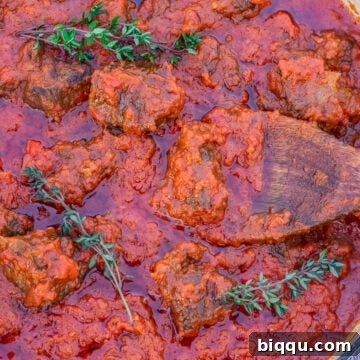
Nigerian Beef Stew
Nigerian Beef Stew is a vibrant tomato beef stew made with bell peppers, tomatoes, and aromatics. Serve with a side of rice, sweet fried plantains, and coleslaw for a true Nigerian dining experience. This recipe makes a big pot of stew, serving 12, so feel free to scale the recipe if you want a smaller quantity.
Prep Time: 30 mins
Cook Time: 1 hr
Total Time: 1 hr 30 mins
Servings: 12 servings
Rate This Recipe
Print Recipe
Ingredients
- 3 pounds beef, cut into chunks (chuck roast recommended)
- 1 large red onion, half diced, half cut into chunks
- 1 teaspoon salt
- 4 teaspoons chicken bouillon powder
- 1½ teaspoons dried thyme
- 1½ teaspoons curry powder
- 6 large Roma tomatoes
- 2 red bell peppers
- 1-2 habanero or scotch bonnet peppers (adjust to taste for spice)
- 1 cup light olive oil or any neutral-tasting oil
- 8 oz tomato paste
Instructions
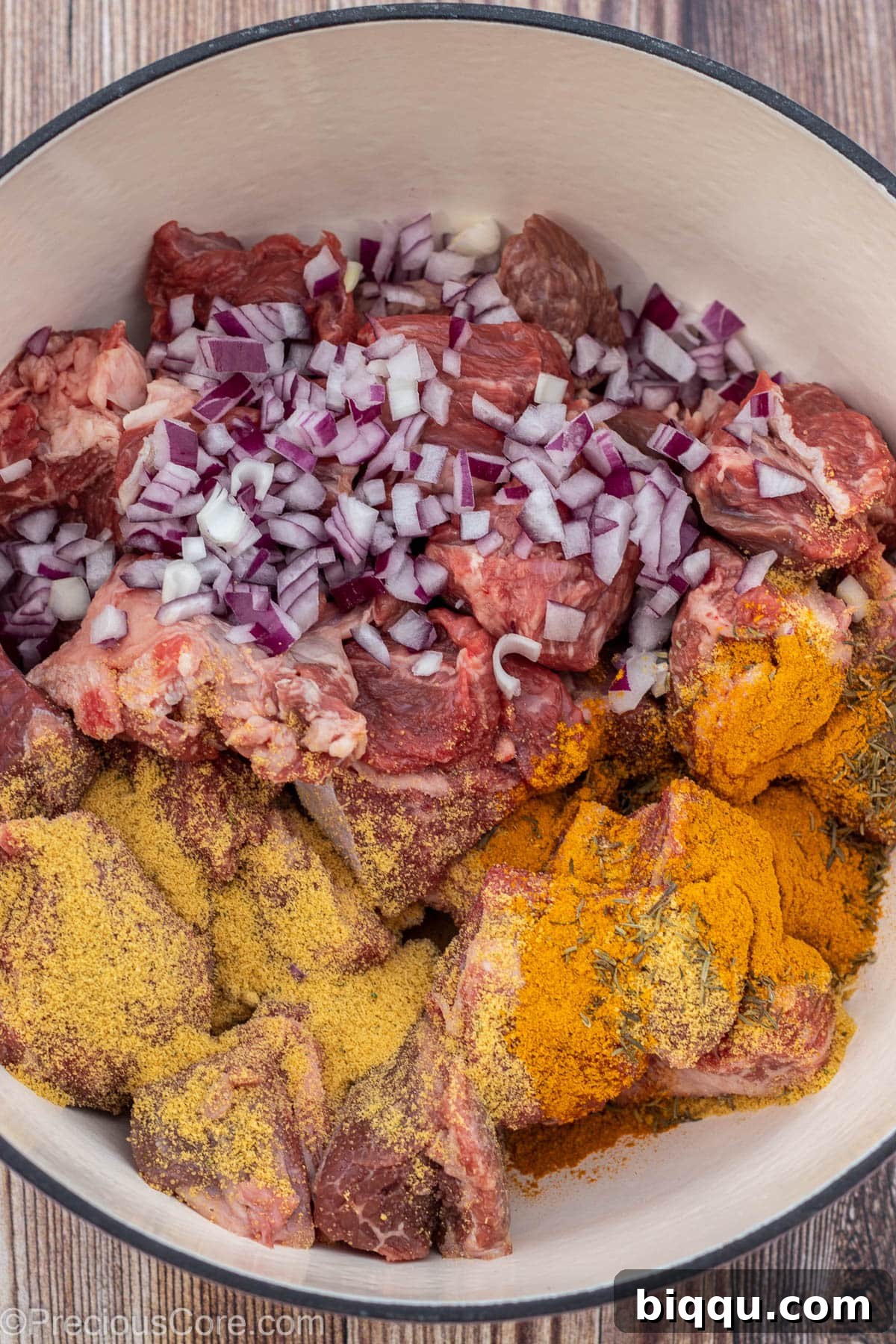
- Boil the Beef: Place the beef chunks into a medium pot. Add half of the diced onions, the salt, 2 teaspoons of chicken bouillon powder, half a teaspoon of thyme, and half a teaspoon of curry powder. Stir well to combine these seasonings with the beef. Place the pot on medium heat and bring to a simmer. Allow the beef to cook with the seasonings for about 5 minutes to infuse flavor. Then, add 2 cups of water, cover the pot, and let it cook until the beef is tender. Begin checking the beef for tenderness after approximately 15 minutes. Once the beef is perfectly tender, carefully drain it from its stock, reserving the flavorful stock for later use.
- Blend the Tomato-Pepper Mixture: Cut the Roma tomatoes into large chunks and place them into a blender. Core and deseed the red bell peppers, then add them to the blender. Include the remaining onion chunks and the habanero peppers (adjust quantity based on desired heat level). Blend all these ingredients until you achieve either a smooth paste or a slightly chunky sauce. A chunky sauce will contribute more texture to your finished stew.
- Cook Down the Tomato-Pepper Mixture: Pour the blended tomato-pepper mixture into a medium pot and place it on medium heat. Bring the mixture to a simmer and allow it to cook down, uncovered, until most of the liquid has evaporated and the sauce has significantly thickened. This process usually takes about 10 minutes. It’s important not to stir the mixture frequently during this stage to prevent splattering.
- Fry the Beef: Heat a large pot over high heat and add the light olive oil. Once the oil is hot, carefully add about half of the boiled beef chunks. Allow the beef to brown nicely on one side before flipping it to brown on the other side. Once evenly browned, remove the beef from the pot and repeat the frying process with the remaining beef. This step adds a crucial layer of flavor and texture to the stew.
- Cook the Stew Base: Reduce the heat to medium. Add the remaining diced onions to the same pot with the frying oil and sauté them until they become translucent and fragrant. Next, add the tomato paste to the pot and cook it for about five minutes, stirring continuously to prevent it from burning. Incorporate the reduced tomato-pepper mixture and continue cooking, stirring occasionally, for approximately 15 minutes, allowing the flavors to deepen. Add the remaining curry powder, thyme, and bouillon powder. Pour in the reserved beef stock and add the fried beef chunks back into the pot. Stir everything together thoroughly and let the stew simmer gently for about 5 minutes, allowing all the flavors to meld beautifully. Be aware that the stew might splatter at this point, so cover the pot as needed. Taste and adjust seasonings as necessary to achieve your desired flavor profile.
- Serve: Serve your delicious Nigerian Beef Stew warm, typically over steamed white rice, or with any of your preferred accompaniments.
Notes
- Additional Spices: For an extra layer of complexity and aroma, consider adding a tablespoon of minced garlic and ginger paste to the stew alongside the other spices.
- Beef Parts: Beyond chuck roast, other suitable cuts of beef for this stew include sirloin steak, flank steak, or pre-cut stewing beef. Choose cuts with good marbling for optimal flavor and tenderness.
- Substitute for Frying Beef: If you prefer not to fry the beef, you can broil it in the oven on a low broil setting until it’s nicely browned.
- Excess Oil: After the stew has finished cooking, if you find there is too much oil on the surface for your preference, you can easily skim off the excess. This flavorful oil can be stored and repurposed for other cooking.
Nutrition
Calories: 396kcal | Carbohydrates: 7g | Protein: 23g | Fat: 31g | Saturated Fat: 8g | Polyunsaturated Fat: 3g | Monounsaturated Fat: 20g | Trans Fat: 1g | Cholesterol: 78mg | Sodium: 597mg | Potassium: 704mg | Fiber: 2g | Sugar: 4g | Vitamin A: 1190IU | Vitamin C: 35mg | Calcium: 38mg | Iron: 3mg
Additional Info
Course: Dinner
Cuisine: African, Nigerian, West African
Calories: 396
Tried this recipe?
Mention @preciouscore or tag #PreciousCore!