
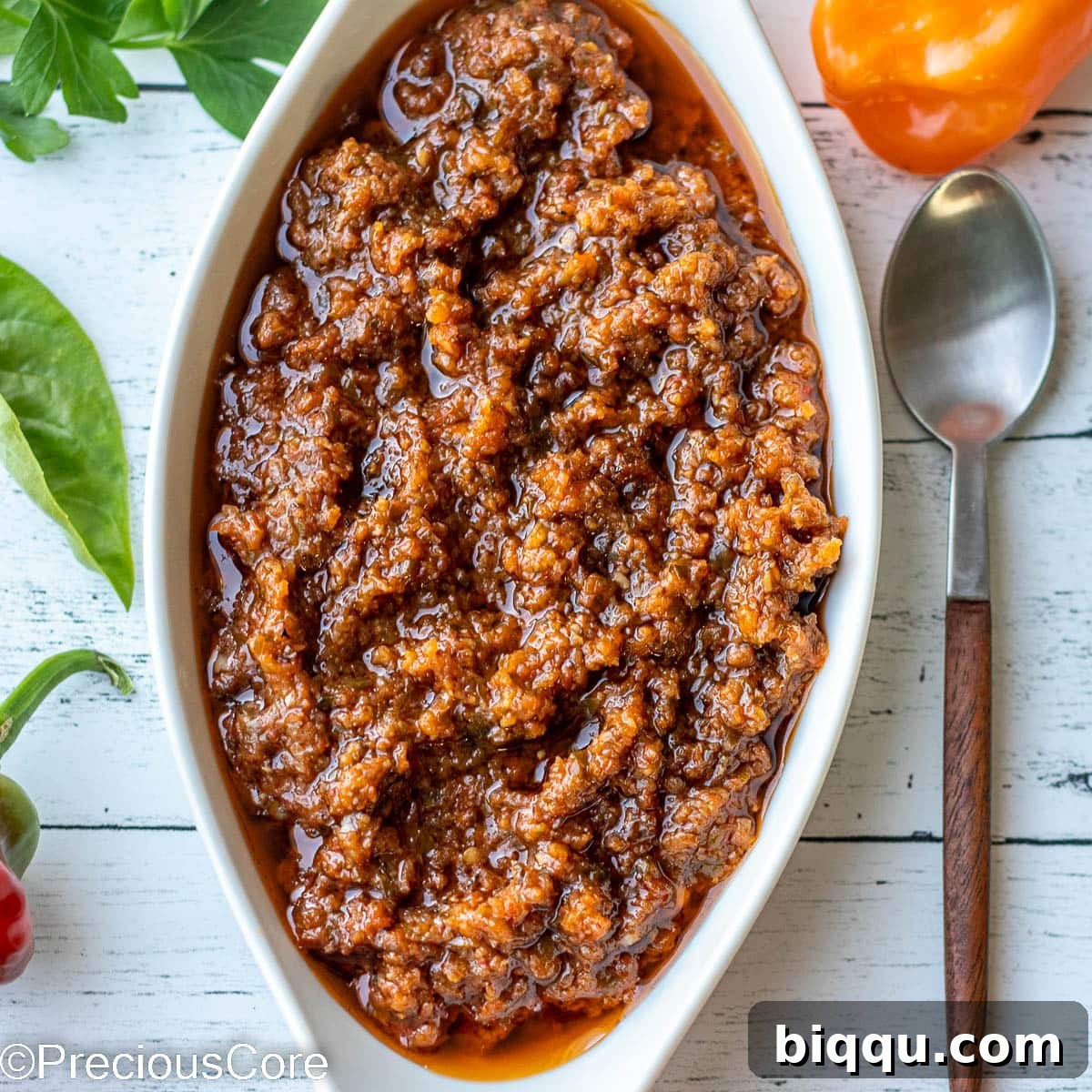
Welcome to your comprehensive guide on how to prepare the most exquisite and well-loved African Pepper Sauce. This isn’t just any hot sauce; it’s a vibrant, piquant, and highly aromatic condiment that encapsulates the rich flavors of West African cuisine. Designed to elevate countless dishes, it serves as an irresistible savory dip for classics like Garlic Butter Wings, Fish Rolls, Puff Puff, and so much more. Every passionate home cook and seasoned chef alike will find this West African pepper sauce recipe an essential addition to their culinary repertoire. Prepare your taste buds for an unforgettable party!
This fiery yet balanced sauce is a must-have on your dining table, ready to act as a versatile condiment for main meals or a delectable dip for appetizers. Its homemade quality far surpasses anything you’d find in a store. I’ve personally crafted this African Pepper Sauce countless times for gatherings, both African and non-African, and it consistently receives rave reviews, crossing all cultural palates.
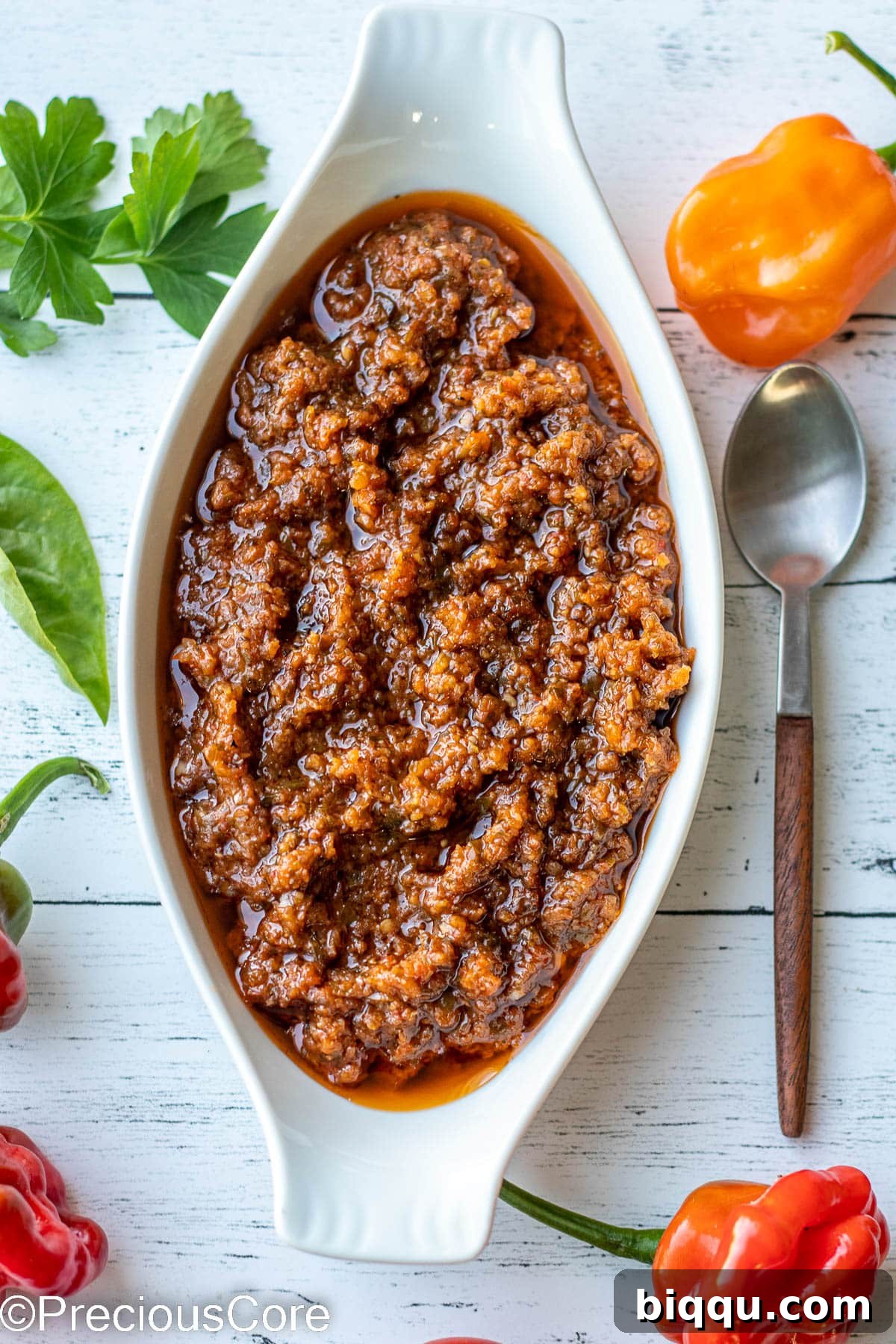
The journey to mastering this dipping sauce began for me years ago, right when I was first learning to cook. The foundation of this incredible sauce is hot peppers, artfully combined with other fresh ingredients to create a unique flavor profile. Over the years, I’ve honed this recipe, and I’m often told by friends and family that my version stands out above the rest – a humble brag, perhaps, but one born from genuine passion and perfected technique. In this detailed guide, I am thrilled to share all my accumulated wisdom and “secrets” to help you create the absolute best African Pepper Sauce in your own kitchen!
Table of Contents
- Why You’ll Love This Authentic African Pepper Sauce
- Essential Ingredients For The Perfect African Pepper Sauce
- Step-by-Step Guide: How To Make African Pepper Sauce
- Serving Suggestions: What To Pair With African Pepper Sauce
- Expert Tips For Mastering Your African Pepper Sauce
- Frequently Asked Questions About African Pepper Sauce
- Similar African-Inspired Recipes
- African Pepper Sauce Recipe Card
Why You’ll Love This Authentic African Pepper Sauce
This African Pepper Sauce isn’t just another condiment; it’s a game-changer in your kitchen, offering a multitude of reasons to become your new favorite:
- Unmatched Versatility as an All-Around Condiment: Having a jar of this homemade hot pepper sauce readily available at home transforms ordinary meals into extraordinary culinary experiences. It’s perfect for breakfast, lunch, and dinner. From eggs to grilled meats, stews, and even simple rice dishes, this sauce breathes life and excitement into every bite, making a whole host of meals and snacks infinitely more palatable and enjoyable.
- Perfectly Balanced Heat – Spicy Yet Tolerable: My recipe thoughtfully incorporates fresh tomatoes, not just to intensify that beautiful, vibrant red color, but crucially, to mellow and round out the sharp heat from the peppers. This allows for a harmonious balance where the sauce is distinctly spicy without being overwhelmingly hot. You can generously spoon it over a hard-boiled egg, savoring the wonderful interplay between the natural sweetness of the tomatoes and the delightful kick of the chili. It’s truly pure bliss, ensuring even those with moderate spice tolerance can fully enjoy its wonders. You can easily adjust the tomato content to customize the heat to your preference.
- Simple and Accessible Ingredients: You don’t need exotic or hard-to-find components for this hot chili condiment. The ingredients required are familiar staples found in most grocery stores around the world, making this recipe incredibly approachable for anyone eager to explore authentic West African flavors without a complicated shopping list. Fresh peppers, onions, garlic, ginger, and a few common herbs are all it takes to create this flavorful masterpiece.
- Authentic West African Flavor Profile: This recipe captures the true essence of traditional West African pepper sauces. The combination of specific peppers, aromatics, and herbs creates a depth of flavor that is truly authentic and deeply satisfying. It’s a taste of home for many and an exciting culinary discovery for others.
- A Crowd-Pleaser for Any Occasion: Whether you’re hosting a dinner party, a casual BBQ, or simply looking to add excitement to your family meals, this pepper sauce is guaranteed to impress. Its unique flavor and customizable heat make it a universally loved addition, sparking conversations and requests for the recipe every time it’s served.
- A Thoughtful, Edible Gift: Many of my friends often leave my home with a jar of this pepper sauce after visiting. It makes for an incredibly thoughtful and much-appreciated edible gift, sharing a taste of homemade warmth and spice with loved ones.
Ensuring you always have a jar or bowl of this epic sauce in your kitchen is a small step that yields immense culinary rewards. Its presence promises to transform mundane dishes into memorable feasts, proving that homemade truly is best.
Essential Ingredients For The Perfect African Pepper Sauce
Crafting this flavorful African Pepper Sauce relies on a selection of fresh, aromatic ingredients. Here’s a detailed look at what you’ll need and the role each plays in creating its distinctive taste:
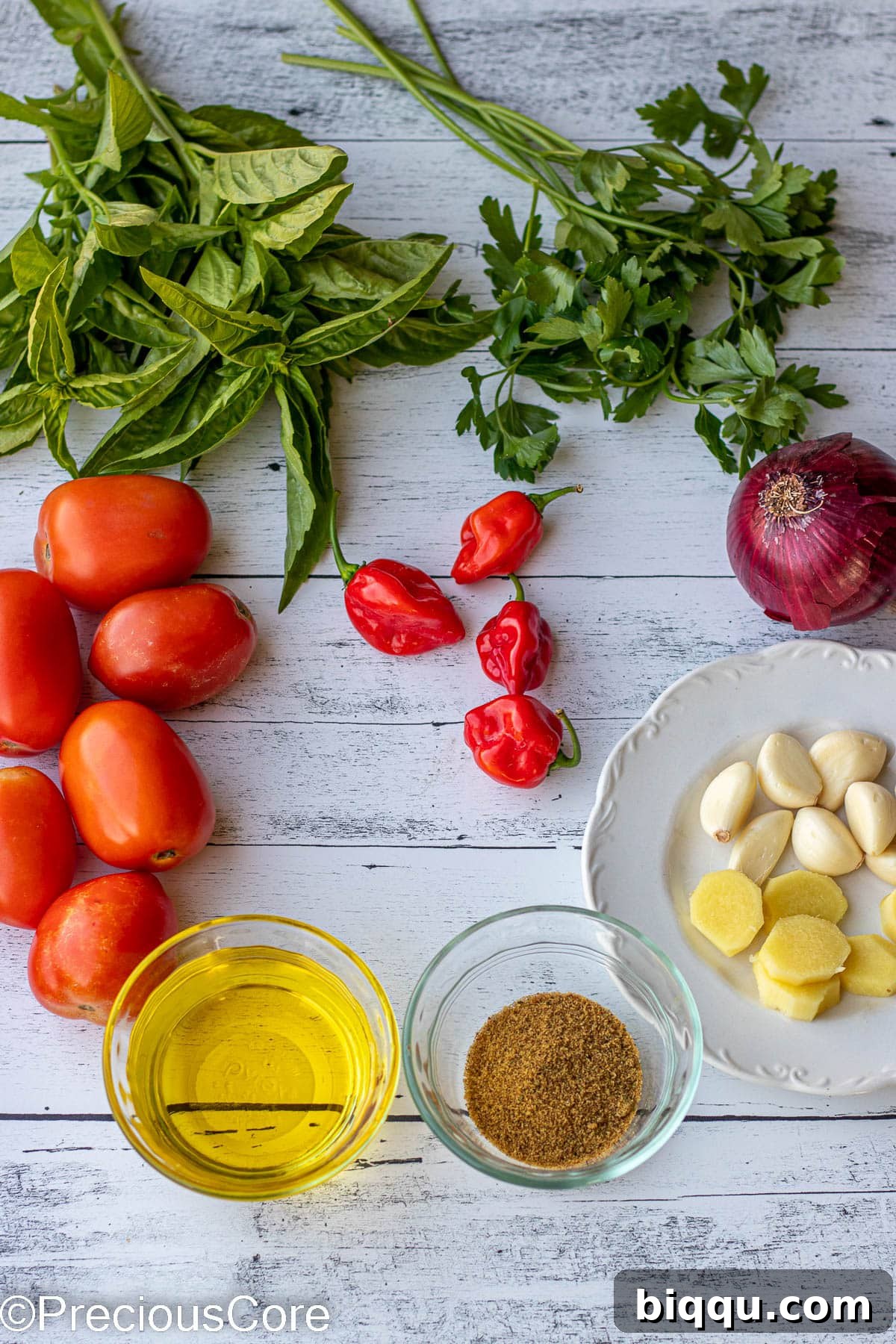
- Hot Peppers: The star of the show! For authentic West African flavor and a significant kick, I recommend using habanero peppers or scotch bonnet peppers. These varieties are known for their intense heat and fruity undertones, which are characteristic of traditional African hot sauces. If you prefer a milder sauce, you can reduce the number of these peppers or substitute some with less spicy chili peppers like serrano or even jalapeños, adjusting to your personal heat preference.
- Onion: Essential for adding body, a subtle sweetness, and foundational savory depth to the sauce. Onions blend beautifully with the peppers and other aromatics, contributing to a well-rounded flavor profile.
- Garlic and Ginger: This dynamic duo is critical for building a robust aromatic base. Garlic provides a pungent, savory note, while fresh ginger adds a warm, slightly spicy, and zesty kick. Together, they create a complex flavor that is truly irresistible and deeply rooted in West African culinary traditions.
- Tomatoes: My secret ingredient for balance! Roma tomatoes are ideal due to their firm flesh and lower water content. They play a dual role: intensifying the vibrant red color of the sauce and, more importantly, helping to mellow the intense heat of the hot peppers. This creates a sauce that is wonderfully spicy but not overwhelming, allowing other flavors to shine through. If you desire an extra-spicy sauce, you can either omit the tomatoes entirely or significantly reduce their quantity.
- Seasoning Cubes or Bouillon Powder: To achieve that authentic umami depth often found in West African cuisine, seasoning cubes or bouillon powder are key. I particularly favor Knorr Beef Bouillon Powder for its rich flavor, but chicken bouillon powder or other seasoning cubes (like Maggi) work equally well. This ingredient adds a layer of savory complexity that ties all the flavors together.
- Salt: A fundamental seasoning that brings out and enhances all the wonderful flavors of the fresh ingredients. Always taste and adjust to ensure perfect seasoning.
- Ground White or Black Pepper: While both would contribute a peppery note, I consistently prefer ground white pepper for this sauce. Its flavor is distinctly more exotic and less pungent than black pepper, offering a subtle warmth and aroma that complements the other spices without overpowering them.
- Fresh Herbs: A trio of fresh herbs – parsley, celery, and basil – are frequently used in Cameroonian cuisine, and their inclusion elevates this pepper sauce. I typically use a combination of two herbs, most often basil and parsley, or basil and celery. For this recipe, basil and parsley were chosen for their fresh, aromatic contribution, adding brightness and a touch of green herbaceousness.
- Neutral Oil: Beyond its role in cooking, a neutral-tasting oil like vegetable oil, olive oil, avocado oil, or canola oil serves as an important preservative for the sauce, extending its shelf life when properly stored. It also helps to carry and distribute the flavors evenly throughout the sauce, contributing to its smooth consistency.
For the full list of ingredients with precise measurements, please refer to the detailed recipe card at the end of this post.
Step-by-Step Guide: How To Make African Pepper Sauce
Making this incredible African Pepper Sauce is a straightforward process, broken down into just a few easy steps. Follow along to create your own batch of this irresistible condiment:
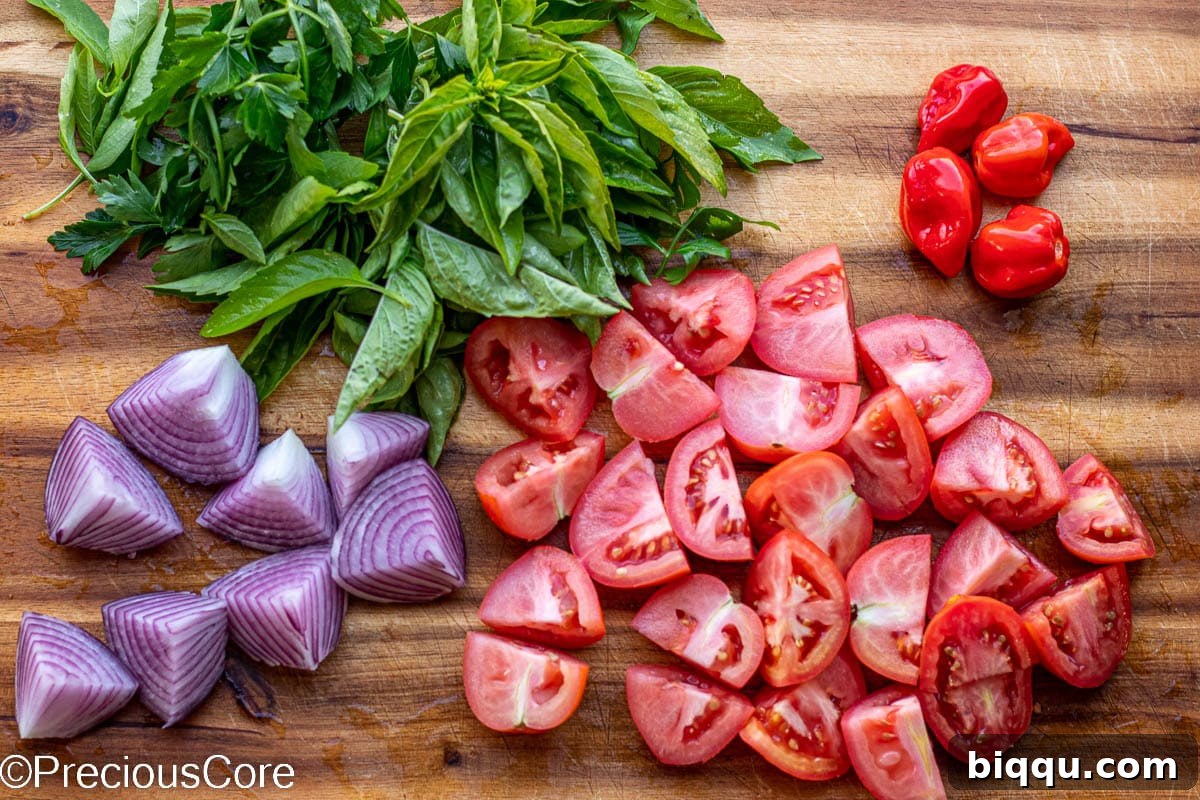
- Prep the Ingredients: Begin by thoroughly rinsing all your herbs and spices under cold water. Carefully remove the leaves from the hard stems of the fresh herbs like parsley and basil. For the tomatoes, cut them into quarters. Peel the onion and cut it into sizable chunks to facilitate blending. Ensure you discard the stems from all the hot peppers. When handling hot peppers, especially habaneros or scotch bonnets, it’s highly recommended to wear kitchen gloves to prevent skin irritation.
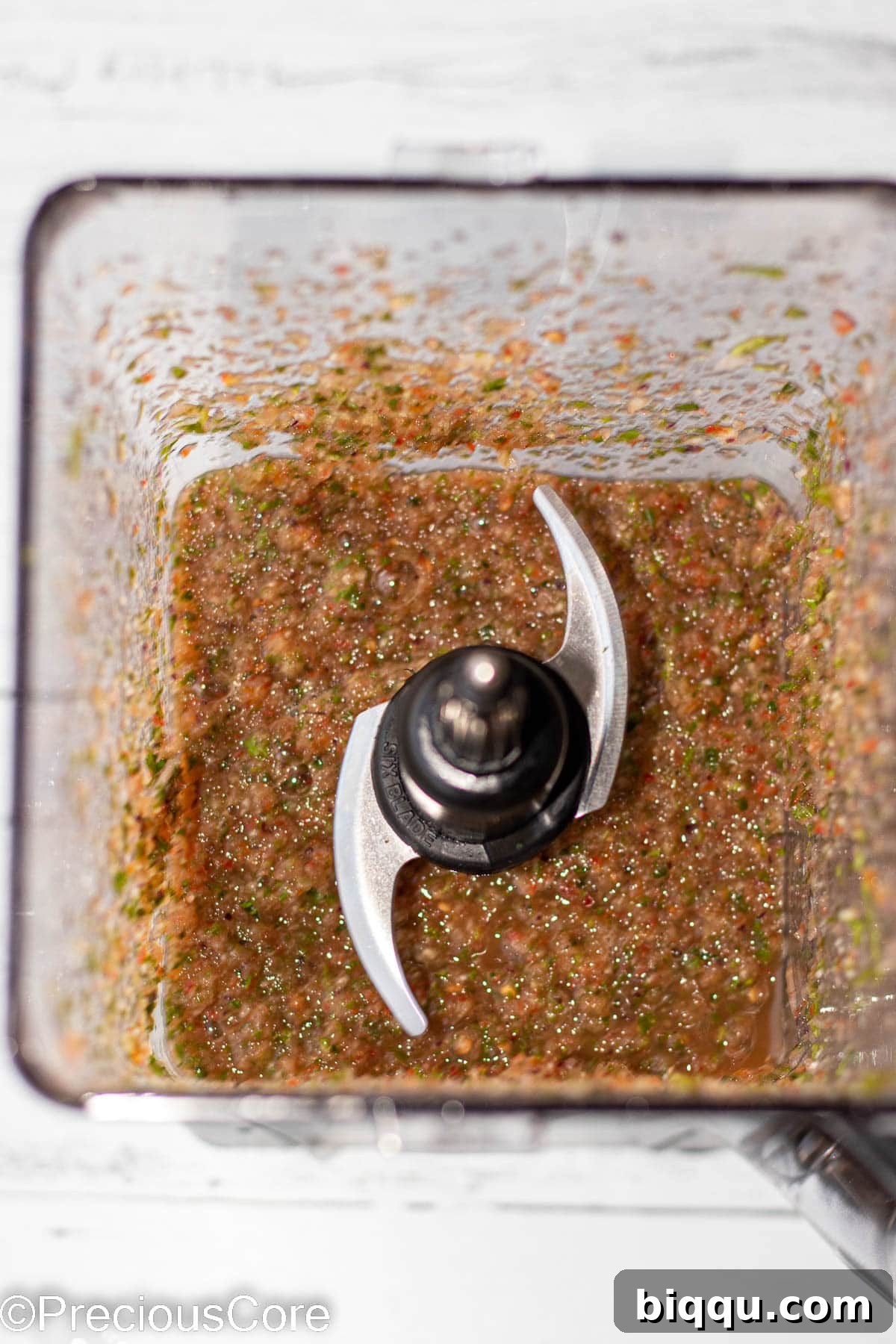
- Blend the Ingredients to a Perfect Paste: Add the prepped ingredients to your blender. It’s best to add them in a specific order for optimal blending: first, the tomatoes (their moisture helps the blending process), then the onions, followed by the herbs, garlic, and ginger. Blend these ingredients on a low speed until you achieve a slightly chunky paste. The goal isn’t a completely smooth puree; a little texture adds character to the sauce. You typically won’t need to add water at this stage, as the tomatoes provide enough liquid. Only add a minimal amount of water if your blender struggles or if you desire a lighter, thinner consistency for the final sauce. Alternatively, a food processor can also be used to achieve the desired consistency.
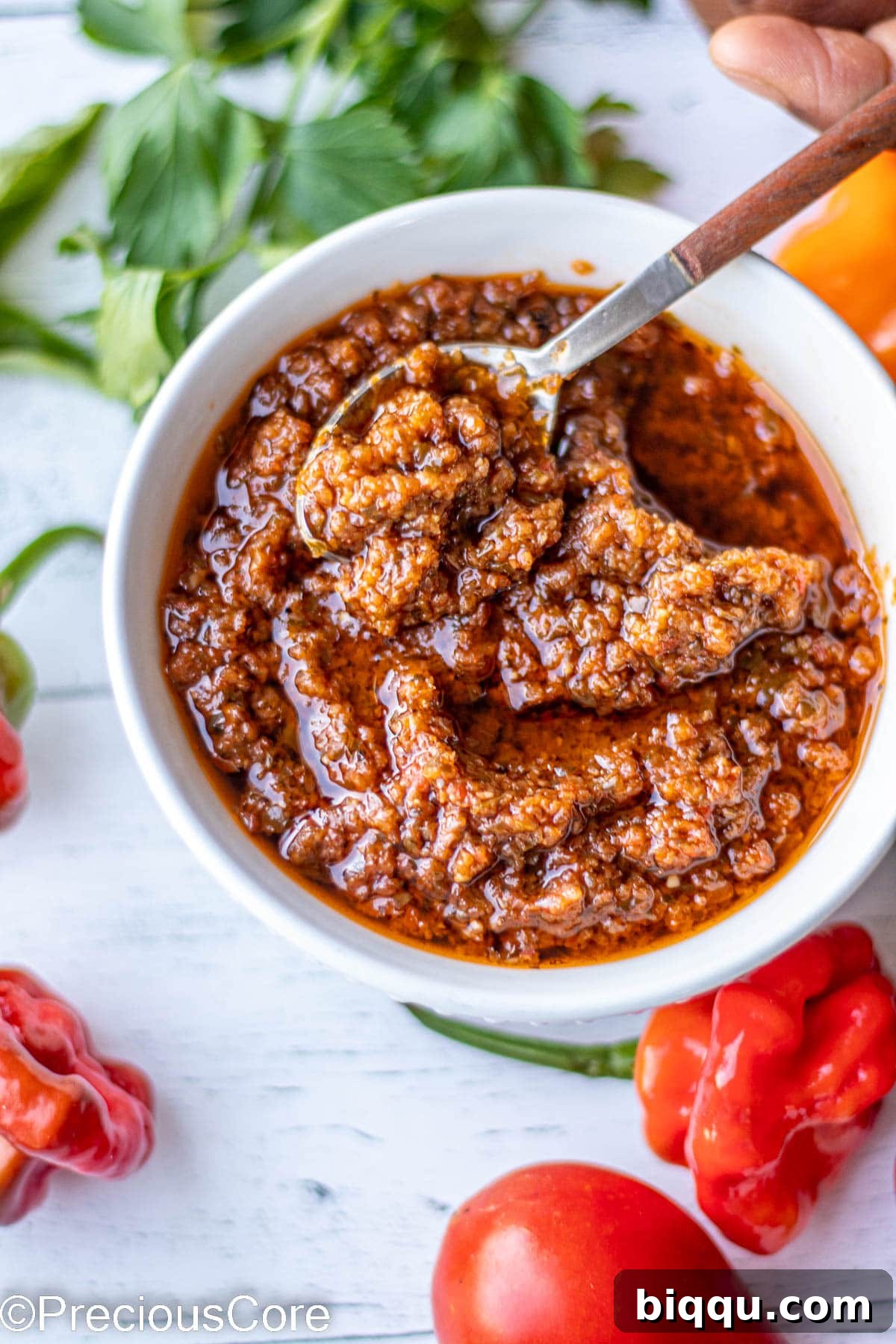
- Cook Down and Infuse Flavors: Transfer the blended pepper mixture into a medium-sized pot. Place the pot on medium heat. Now, add the neutral oil, bouillon powder, salt, and ground white or black pepper. Stir everything together gently. Bring the mixture to a gentle simmer. Once simmering, cover the pot tightly and allow it to cook undisturbed for approximately 15 minutes. This initial simmering period allows the flavors to meld beautifully and the raw taste of the peppers and aromatics to cook out. After 15 minutes, reduce the heat to low. Continue to simmer the sauce for another 15 minutes, stirring occasionally to prevent the sauce from sticking to the bottom of the pot and burning. Be cautious when stirring, as hot pepper sauce can splatter.
- Cool and Store Properly: Once the cooking is complete, remove the pot from the heat and allow the African Pepper Sauce to cool completely to room temperature. This is crucial before transferring it for storage. Store the cooled sauce in a clean, airtight container. A mason jar with a tight-fitting lid is an excellent choice, as it helps preserve freshness and flavor. Properly stored in the refrigerator, this homemade condiment will keep its vibrant taste and potency for an extended period, ready to enhance your next meal.
Serving Suggestions: What To Pair With African Pepper Sauce
The versatility of African Pepper Sauce is truly one of its greatest assets. Its bold, spicy, and aromatic profile makes it an ideal accompaniment to an incredibly wide range of dishes. Here are some fantastic ways to incorporate this beloved condiment into your meals:
- Grilled and Roasted Meats: Elevate your proteins! This sauce is a phenomenal partner for anything hot off the grill or roasted in the oven. Try it with:
- Baked Chicken Drumsticks: A juicy and flavorful pairing.
- The Best Grilled Chicken Tenders: Adds a spicy kick to tender chicken.
- Cameroonian Soya Without Skewers: A perfect match for this traditional African street food.
- Oven Baked Turkey Wings: The sauce cuts through the richness of the turkey beautifully.
- Seafood Delights: The bright, spicy notes of the pepper sauce cut through the richness of fish and seafood, creating a truly memorable experience.
- Grilled Sockeye Salmon: A fantastic complement to flaky salmon.
- Grilled Whole Red Snapper (Oven Grilled): Enhance the natural flavors of the fish with this vibrant sauce.
- Breakfast & Brunch Boost: Don’t limit this sauce to dinner! It can revolutionize your morning meals.
- Hard-boiled eggs: Simply spoon it over sliced hard-boiled eggs for a quick, incredibly satisfying, and spicy breakfast or snack. So good!
- Scrambled eggs, omelets, or fried eggs: A dollop adds instant flavor and excitement.
- Appetizers and Snacks: Move beyond basic dips and impress your guests.
- Garlic Butter Wings: An ultimate pairing, offering a savory, spicy, and buttery explosion of flavor.
- Fish Rolls or Puff Puff: These West African snacks become even more addictive with a generous dip.
- Spring rolls, samosas, or even plain potato chips: A fantastic alternative to traditional dipping sauces.
- Flavorful Marinade: This sauce isn’t just for dipping! It makes an exceptional marinade for meat, fish, or chicken, infusing them with deep, spicy, and aromatic flavors before grilling or baking. Apply it generously and let your proteins soak in the goodness for a few hours, or even overnight, for an unforgettable meal.
- Stir-Fries and Bowls: Add a tablespoon or two to your favorite stir-fries, grain bowls, or noodle dishes for an instant flavor upgrade.
- With Rice and Grains: A simple bowl of white rice can be transformed into a delicious, satisfying meal with just a spoonful of this rich pepper sauce.
Experiment with your favorite foods – you’ll quickly discover that African Pepper Sauce has the power to make almost anything taste better!
Expert Tips For Mastering Your African Pepper Sauce
To ensure your African Pepper Sauce is always perfect and to make the cooking process smoother, here are some invaluable expert tips:
- Optimal Storage for Longevity: Proper storage is key to enjoying your homemade pepper sauce for an extended period. Store the cooled sauce in a meticulously clean, airtight container – a mason jar with a tight-fitting lid is ideal. When stored correctly in the refrigerator, this sauce can retain its freshness and flavor for up to a month. For even longer preservation, pour an extra layer of neutral oil over the surface of the sauce before sealing the container; this creates a protective barrier against air and spoilage. This sauce also freezes exceptionally well for up to 3 months. For easy portioning, freeze it in ice cube trays, then transfer the frozen cubes to a freezer-safe bag.
- Scaling the Recipe with Ease: Whether you’re cooking for a crowd or just for yourself, this recipe is incredibly adaptable. To prepare a larger quantity for parties or meal prepping, simply double or triple every ingredient. Conversely, if you desire a smaller batch, perhaps for personal consumption or to try it out, reduce all ingredients by half. The ratios are designed to remain consistent, ensuring the flavor profile stays true, regardless of the batch size.
- Navigating the Aromatic Kitchen (and preventing splatters!): When the sauce begins to simmer, your kitchen will fill with a wonderfully pungent, peppery aroma. While delightful, it can sometimes cause sneezing or eye irritation due to the volatile compounds released from the peppers. To mitigate this, always do well to cover your pot during simmering. Only open the lid when you need to stir. Before stirring, reduce the heat momentarily to a lower setting; this helps prevent the mixture from aggressively splattering hot sauce onto you or your countertops. After stirring, you can return the heat to its normal setting.
- Maximizing Flavor with an Alternative Frying Method: For an even deeper, more complex flavor profile, consider an alternative preparation technique. Instead of adding oil after blending, you can first heat the neutral oil in your pot until shimmery. Then, carefully pour in the blended ingredients and fry them for a few minutes before proceeding with the rest of the cooking steps. Frying the ingredients in oil at the beginning helps to develop a richer, more concentrated flavor, as it gently caramelizes the aromatics and intensifies the spice.
- Safe Handling of Hot Peppers: Given the potency of habanero or scotch bonnet peppers, it’s crucial to handle them with care. The capsaicin (the compound responsible for the heat) can cause severe irritation. Always wash your hands thoroughly with soap and water immediately after handling peppers. For maximum protection, wearing kitchen gloves before you begin prepping the hot peppers will effectively prevent any burning sensation on your hands. Avoid touching your face, especially your eyes, during and after handling peppers.
- Adjusting Heat Levels: The beauty of homemade sauce is customization. If the sauce is too spicy for your liking, you can add a bit more cooked tomato paste or a touch of sugar/sweetener to balance the heat. If you crave more heat, a pinch of cayenne pepper or an extra habanero in the initial blend can turn up the intensity.
By incorporating these expert tips, you’ll not only create a superior African Pepper Sauce but also enjoy a safer and more efficient cooking experience.
Frequently Asked Questions About African Pepper Sauce
The African continent is vast and diverse, home to many unique cuisines and hot sauces. While there isn’t one universal name, a common hot sauce enjoyed in countries across Southern and East Africa, such as Mozambique, Angola, and the Democratic Republic of Congo, is known as ‘pili pili’ or ‘peri peri’. These terms literally mean ‘pepper pepper’ in Swahili and Lingala languages, reflecting its primary ingredient. In West and Central Africa, where this particular recipe originates, it’s most commonly referred to simply as “pepper sauce” or “hot sauce,” often distinguished by its fresh herb and aromatic base.
Across West and Central Africa, “pepper sauce” is a staple condiment, and it typically features local hot peppers like scotch bonnet or habanero. These are often blended with other pungent spices and aromatics such as garlic, ginger, and fresh herbs like parsley and basil. Unlike a single commercial brand, there isn’t just one type of hot sauce for the entire African continent; rather, countless variations exist, with each African country, region, and even household boasting its own unique recipe and preferred blend of ingredients, reflecting local produce and culinary traditions.
No, it’s a common misconception that all peppers grown in or associated with Africa are intensely spicy. “African pepper” isn’t a single type of pepper; rather, it’s a broad term encompassing a wide variety of peppers cultivated across the continent. These range significantly in heat, from sweet bell peppers and mild varieties used for flavor and color, to extremely spicy chili peppers like the peri-peri (African Bird’s Eye chili) or the habanero and scotch bonnet, which are prized for their fiery kick. The diversity of African agriculture means there’s a pepper for every palate.
While fresh peppers are highly recommended for their vibrant flavor and moisture content, you can use dried peppers if fresh ones are unavailable. You would need to rehydrate them in hot water for about 30 minutes before blending. However, note that the flavor profile will be different, often more smoky and less bright than with fresh peppers.
Yes, this recipe is naturally vegan and vegetarian-friendly! The only ingredient to be mindful of is the bouillon powder. If using beef or chicken bouillon, ensure you select a vegetable-based bouillon powder or seasoning cube to keep the sauce entirely plant-based. All other ingredients are plant-derived.
Similar African-Inspired Recipes
Loved this authentic African Pepper Sauce? Explore more delightful African cuisine with these related recipes that are sure to tantalize your taste buds:
Cameroonian Spaghetti Omelette Sandwich
Fried Pork And Plantains
Catfish Pepper Soup
25 African Breakfast Food Recipes
Banana Fritters
How To Make Chin Chin
If you make this irresistible African Pepper Sauce, please take a moment to leave a star rating below. Your feedback and ratings are incredibly valuable – they help other passionate cooks discover this amazing recipe, and I absolutely love hearing from you! Thank you for your support!
African Pepper Sauce
Rate
Print Recipe
Ingredients
- 6 roma tomatoes cut into quarters
- 1 red onion cut into chunks
- 4 habanero peppers stems removed
- 6 sprigs parsley rinsed, hard stems removed
- 6 sprigs basil rinsed, leaves plucked from hard stems
- 2 inches ginger root peeled and cut into chunks
- 8 cloves garlic peeled
- 1/4 teaspoon ground white pepper
- 1/4 teaspoon salt
- 2/3 cup neutral oil (olive oil, avocado oil, or vegetable oil would work)
- 4 teaspoons beef bouillon powder (replace with 4 4g cubes of Maggi for alternative)
Instructions
-
Prep Ingredients: Rinse all herbs and spices. Remove leaves from hard stems of herbs. Cut tomatoes into quarters and onion into chunks. Discard pepper stems.
-
Blend the Ingredients: Add ingredients to a blender in this order: tomatoes, then onions, then herbs, garlic, and ginger. Blend on low speed into a slightly chunky paste. No water needed initially; add a little only if you desire a lighter consistency.
-
Cook Down the Ingredients: Transfer the blended mixture to a medium-sized pot over medium heat. Add the oil, bouillon powder, salt, and pepper. Bring to a simmer, then cover and let it simmer without stirring for 15 minutes. Reduce heat to low and continue simmering for about 15 minutes, stirring occasionally to prevent burning.
-
Cool and Store: Let the sauce cool completely to room temperature. Store it in an airtight container (like a mason jar) in the refrigerator.
Notes
Scaling the Recipe: Easily double or triple the recipe for larger quantities, or halve all ingredients for a smaller batch.
Handling Hot Peppers: Always wash hands thoroughly after handling hot peppers. For extra protection, wear kitchen gloves to prevent skin irritation.
Nutrition
Carbohydrates: 2g |
Protein: 0.4g |
Fat: 8g |
Saturated Fat: 1g |
Polyunsaturated Fat: 2g |
Monounsaturated Fat: 5g |
Trans Fat: 0.03g |
Cholesterol: 0.1mg |
Sodium: 138mg |
Potassium: 70mg |
Fiber: 0.4g |
Sugar: 1g |
Vitamin A: 206IU |
Vitamin C: 7mg |
Calcium: 7mg |
Iron: 0.1mg
Additional Info
Tried this recipe?
Mention @preciouscore or tag #PreciousCore!