
Mastering the Art of a Delicious & Easy Breakfast Frittata
There are some breakfast dishes so utterly satisfying, so deceptively simple yet profoundly flavorful, that they spark a friendly rivalry over who gets the bigger slice. For me, that dish is the humble Frittata. Just yesterday, my partner, Mr. N, and I found ourselves in a playful tussle over the last glorious wedge of this vibrant egg creation – a testament to its irresistible appeal. This isn’t just any breakfast; it’s a culinary experience that transforms everyday ingredients into something extraordinary, making it a staple for anyone seeking a delightful start to their day.
A frittata is far more than just a glorified omelette; it’s an Italian egg-based dish similar to an omelette or quiche, enriched with various ingredients such as meats, cheeses, and a colorful array of vegetables. Cooked gently on the stovetop and then usually finished in the oven, it creates a wonderfully fluffy yet firm texture. What makes it truly remarkable is its inherent versatility and the ease with which it can be customized. Imagine a dish that effortlessly incorporates whatever fresh produce or tasty leftovers you have on hand, turning potential food waste into a culinary triumph. My initial inspiration for this particular frittata was predominantly spinach, but alas, the spinach I had in my fridge was past its prime and ready to check out. Not one to be deterred, I pivoted to a vibrant collection of other vegetables I had: beautifully colored bell peppers, fresh cilantro, and aromatic green onions – a brilliant improvisation that yielded spectacularly delicious results.
Why a Frittata Will Become Your New Go-To Meal
Beyond its simple preparation, the frittata offers a myriad of benefits that make it a perfect addition to your culinary repertoire, whether you’re a seasoned chef or a beginner in the kitchen:
- Effortless Elegance: Despite its sophisticated appearance, preparing a frittata requires minimal effort, making it an ideal choice for entertaining guests without stress or simply elevating a routine weekday morning.
- Incredible Versatility: The frittata is a true blank canvas for your culinary creativity. Almost any vegetable, cheese, or cooked protein can find a happy home within a frittata, allowing for endless variations tailored precisely to your taste preferences or whatever ingredients are readily available in your pantry and fridge.
- Healthy & Nutritious Powerhouse: Packed with high-quality protein from eggs and essential vitamins, minerals, and fiber from a generous serving of vegetables, a frittata is a balanced and nutritious way to fuel your body and kickstart your day.
- The Ultimate Leftover Hero: This dish is a fantastic solution for utilizing those small bits and bobs of vegetables or cooked meats lingering in your refrigerator. It transforms them into a fresh, exciting, and satisfying meal, helping you minimize food waste.
- Perfect for Any Mealtime: While often associated with breakfast, the frittata transcends traditional mealtime boundaries. It’s equally fitting as a light yet satisfying lunch, a hearty and impressive brunch centerpiece, or even a simple, wholesome dinner when you’re craving something quick and delicious.
- Meal Prep Friendly: Frittatas are wonderfully versatile and taste great served warm, at room temperature, or even cold. This makes them excellent for meal prepping – simply slice it up, pack it for a grab-and-go lunch, or enjoy it as a quick, nutritious snack throughout the week.
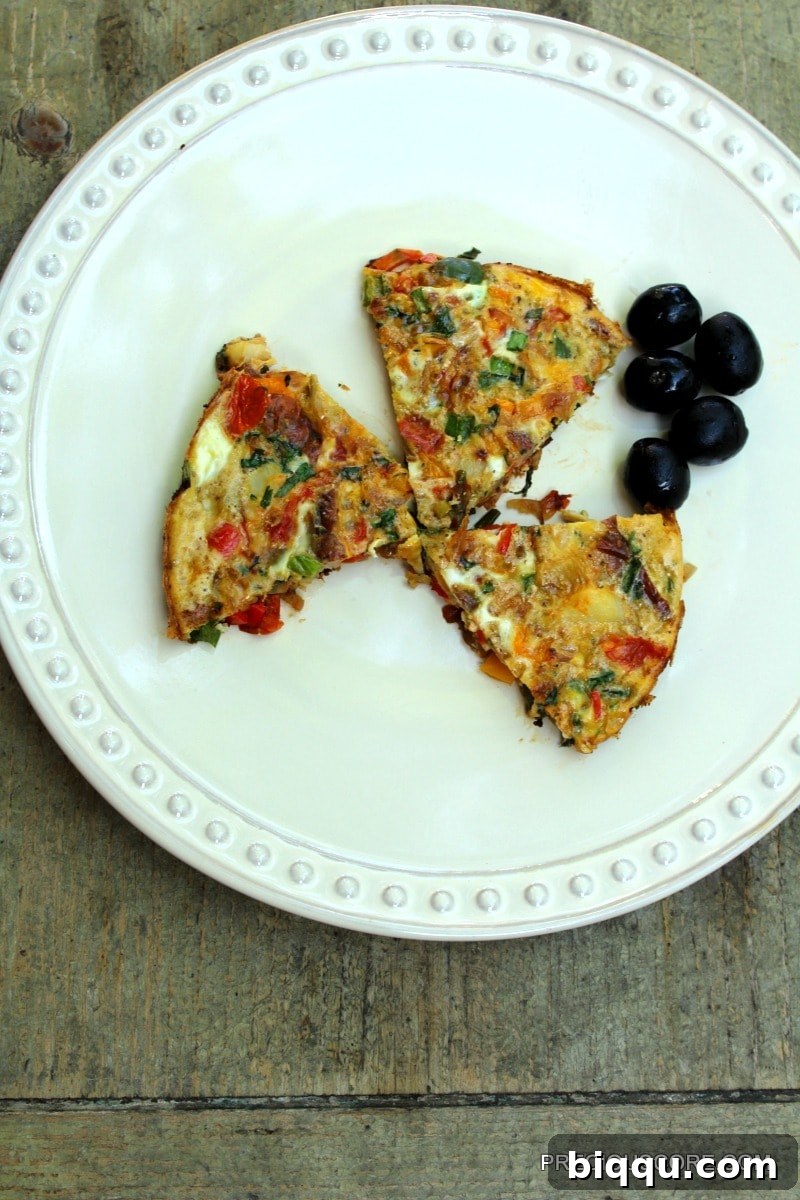
To make your frittata a more substantial and complete meal, consider serving it alongside a vibrant and refreshing fruit salad, a crisp green salad with a light vinaigrette, or a handful of your favorite pitted olives. I confess, I could happily devour an entire jar of those briny, oval delights every single day! Their salty tang and delightful texture perfectly complement the rich and savory flavors of the frittata, adding an extra layer of enjoyment to every single bite.
Crafting Your Perfect Frittata: A Step-by-Step Culinary Journey
Embarking on the frittata-making process is a delightful and rewarding journey. Here’s a detailed look at how I brought this particular masterpiece to life, along with helpful tips and insights for your own kitchen adventure.
Step 1: The Foundation – Potatoes and Meticulous Prep Work
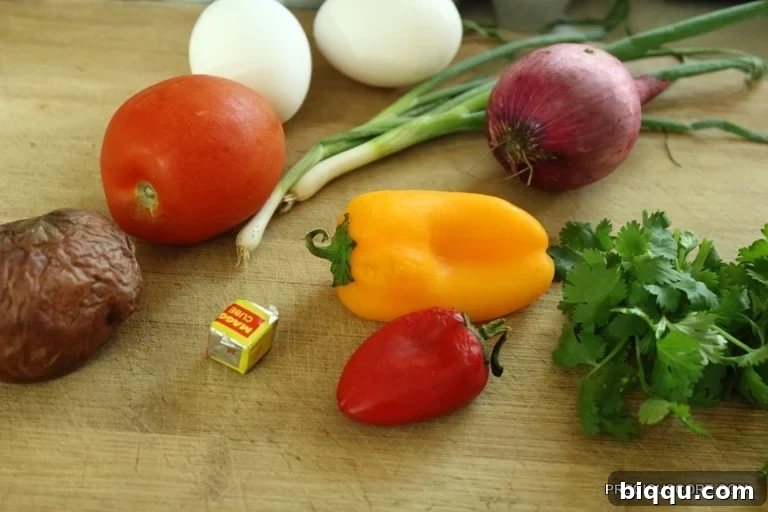
The secret to a truly satisfying and hearty frittata often lies in its foundation, and for me, that frequently means incorporating tender potatoes. Early yesterday morning, I took the time to oven-bake some Irish potatoes for approximately 45 minutes. I baked them until they were perfectly tender on the inside but still held their shape beautifully, developing a slightly caramelized exterior. The result was a wonderfully tender, slightly rustic potato, which you can glimpse in the image – a delightful “miserable baked Irish potato” that, despite its humble appearance, adds incredible texture and a satisfying heartiness to the dish. If you find yourself short on time or prefer a softer texture, simply boiled potatoes work just as well, offering a creamy alternative.
Alongside these delightful potatoes, my ingredient lineup for this particular frittata included a vibrant and flavorful mix: gorgeously colored bell peppers (feel free to use any color you prefer, or simply stick to classic green if that’s what you have on hand), a trusty medium-sized onion, several farm-fresh eggs, a perfectly ripe tomato, a seasoning cube (such as Maggi, for an extra layer of savory depth and umami), and a generous bunch of fresh cilantro. The practice of gathering and meticulously preparing all your ingredients beforehand, a technique often referred to as “mise en place,” makes the entire cooking process smooth, efficient, and thoroughly enjoyable.
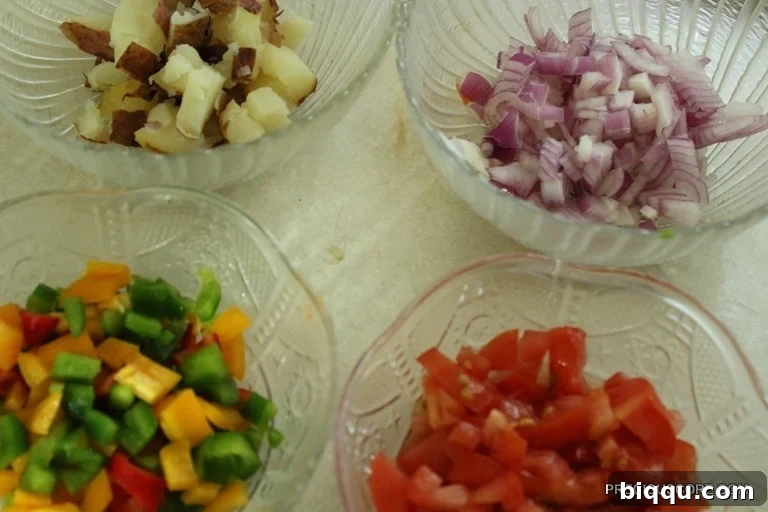
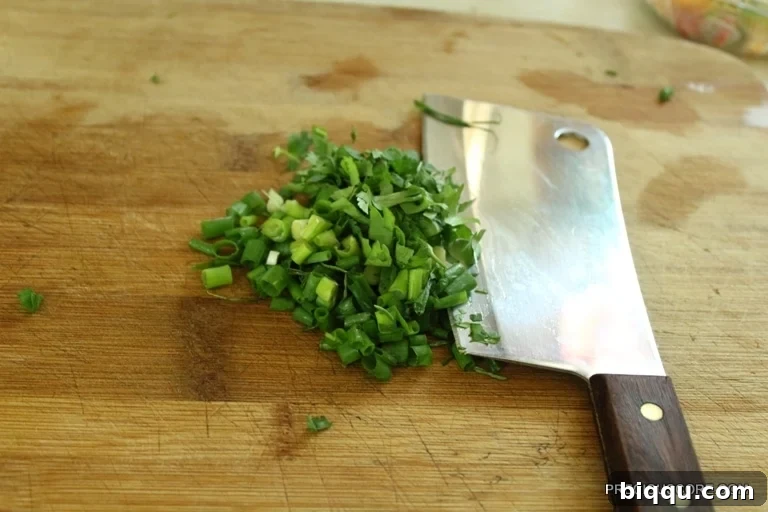
Next, I meticulously chopped all the choppable ingredients into bite-sized pieces. A special note on the potatoes: you’ll notice from the images that I didn’t peel them. Potato skins are not only packed with beneficial fiber and a wealth of nutrients, but they also contribute a fantastic rustic texture and a more robust, earthy flavor to the dish. So, feel encouraged to embrace the peel – it’s truly good for your body and adds wonderful character to your frittata!
Step 2: Sautéing for Depth of Flavor
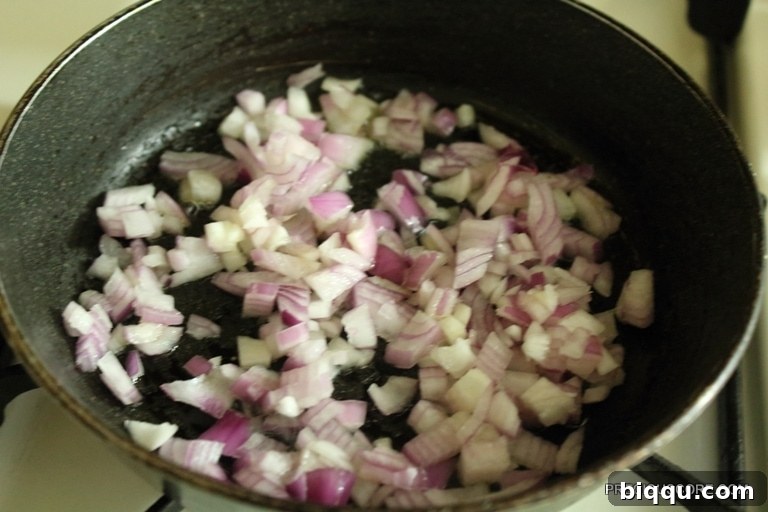
With all my ingredients meticulously prepped and ready, it was time to begin building the essential layers of flavor for the frittata. I started by heating a tablespoon of high-quality olive oil in a trusty oven-proof skillet over a medium heat setting. The choice of an oven-proof skillet is absolutely crucial here, as the frittata will finish its cooking process by baking directly in the oven. Once the olive oil was shimmering gently in the pan, indicating it was perfectly heated, I carefully added the finely diced onion. I allowed the onion to gently sauté until it turned beautifully translucent and softened considerably, releasing its naturally sweet and wonderfully aromatic essence into the oil. This initial sautéing step is incredibly key to developing a deep, savory, and flavorful base that will underpin the entire frittata, setting the stage for all the other ingredients to shine.
Step 3: Artfully Assembling the Vegetable Medley
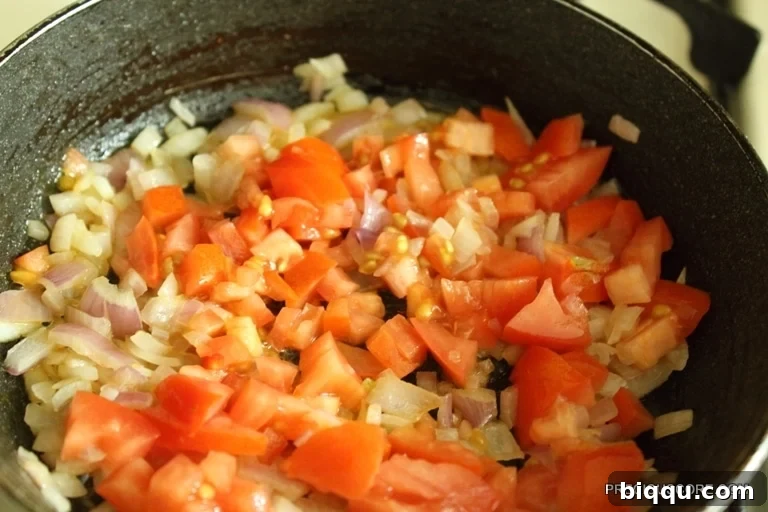
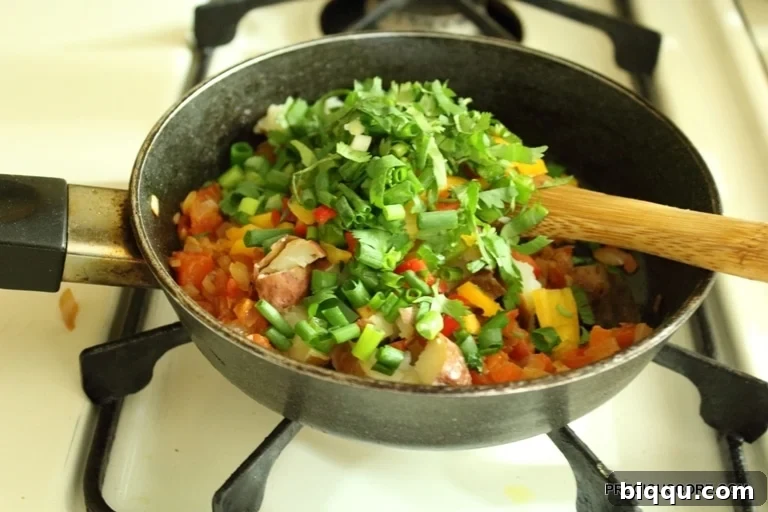
Following the onions, the diced tomato gracefully joined the simmering medley, creating a luscious, slightly acidic, and beautifully colorful counterpoint to the sweet, caramelized onions. I allowed the tomato to sauté for a couple of minutes, giving its natural juices ample time to release and mingle exquisitely with the onions, thereby creating an even more fragrant and complex base for our frittata. After the tomato had softened and its flavors had begun to meld, all the other chopped vegetable goodness – specifically, the vibrant and crisp bell peppers, the fresh and subtly pungent green onions, and the aromatic cilantro – along with my delightful yet unassumingly “miserable” baked potatoes, were added to the skillet. I then gently stirred everything together, allowing the vegetables to warm through thoroughly and their diverse flavors to meld into a harmonious symphony. This particular stage is where the frittata truly begins to take on its appealing, colorful, and highly appetizing character, becoming a feast for the eyes even before it’s fully cooked.
Step 4: Crafting the Perfect Egg Mixture – The Heart of the Frittata
At this point in the cooking process, the aroma wafting through my kitchen was simply divine and utterly captivating. The vibrant colors of the freshly prepared vegetables, arranged so beautifully in the pan, resembled a miniature, edible garden, promising an imminent feast for both the eyes and, more importantly, the palate. I was practically dancing with joyful anticipation for my “frittatatatata,” as I playfully and affectionately called it!
In a separate, spacious bowl, I meticulously whisked together the farm-fresh eggs with the crumbled seasoning cube, a generous pinch of fine sea salt, and a dash of freshly ground white pepper. White pepper, with its subtle yet distinctive heat and nuanced aroma, possesses a magical quality for me, capable of enhancing almost any dish it graces, adding a sophisticated and intriguing depth of flavor. However, if it doesn’t align with your personal preference, please feel entirely free to omit it. For those who relish a delightful kick, a tiny amount of finely chopped regular hot pepper, such as a habanero or a bird’s eye chili, would be an absolutely fantastic addition, infusing a gentle warmth and zest without ever overpowering the delicate balance of the other exquisite flavors.
Once the egg mixture was perfectly and thoroughly blended, achieving a slight frothiness, I carefully and slowly poured it over the array of beautiful, sautéed vegetables already in the skillet. My goal was to ensure that every corner and crevice of the pan, and indeed every piece of vegetable, was coated evenly. This deliberate distribution of the eggs allows them to seep down, enveloping all the flavorful ingredients and binding them together seamlessly, thereby creating a cohesive, delicious, and aesthetically pleasing frittata.
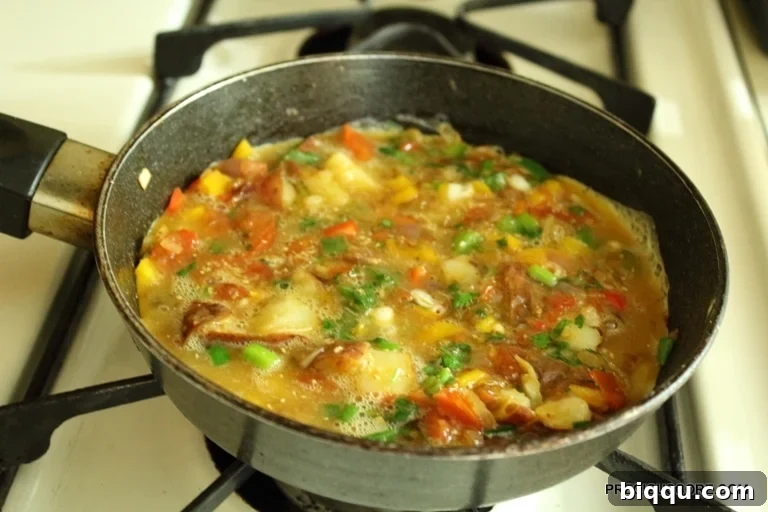
Step 5: From Stovetop to Oven – The Critical Final Cook
After carefully pouring in the egg mixture, I allowed the frittata to cook undisturbed on the stovetop for approximately one minute. This initial setting phase is crucial; it allows the edges of the frittata to begin firming up, which prevents sticking and helps the frittata achieve its perfect, rounded shape. While this was happening, I had already ensured my oven was preheated to a precise 350 degrees Fahrenheit (approximately 176 degrees Celsius). With gentle but confident hands, I transferred the skillet directly from the stovetop into the waiting, preheated oven.
The frittata then baked for about 10 minutes. It is absolutely crucial to watch it very carefully during this final cooking phase. The objective is to cook the eggs through completely until they are set, without allowing the top to brown excessively. This meticulous observation helps preserve its vibrant colors and ensures a tender, creamy texture rather than a dry or rubbery one. Once the eggs were perfectly set and cooked through to perfection, I carefully removed the sizzling skillet from the oven. The glorious sight of it emerging, golden-edged, perfectly puffed, and intensely fragrant, prompted an involuntary exclamation of pure culinary delight from me: “Oh Lawwwwd!” – a genuine and heartfelt expression of absolute joy and satisfaction.
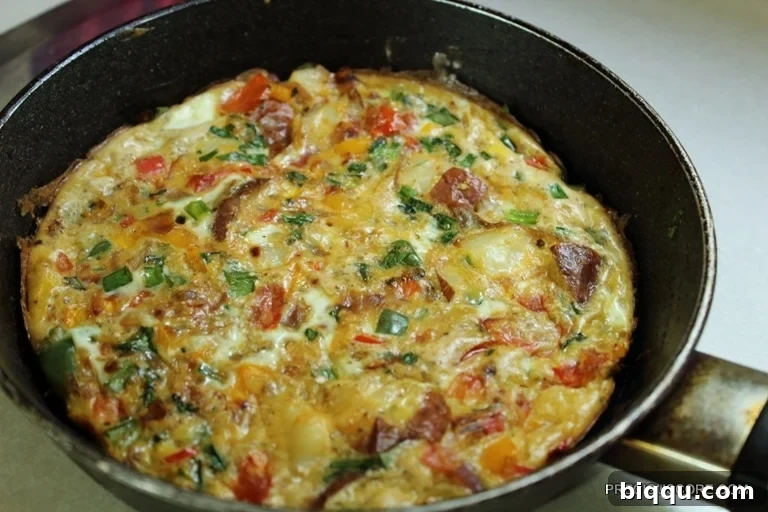
The Grand Reveal: Slicing and Savoring Your Culinary Creation
The moment that beautiful frittata emerged from the oven, my heart truly began to sing with joy. That triumphant “Frittatatatatata!” feeling was utterly overwhelming, a perfect culmination of anticipation and delightful aromas.
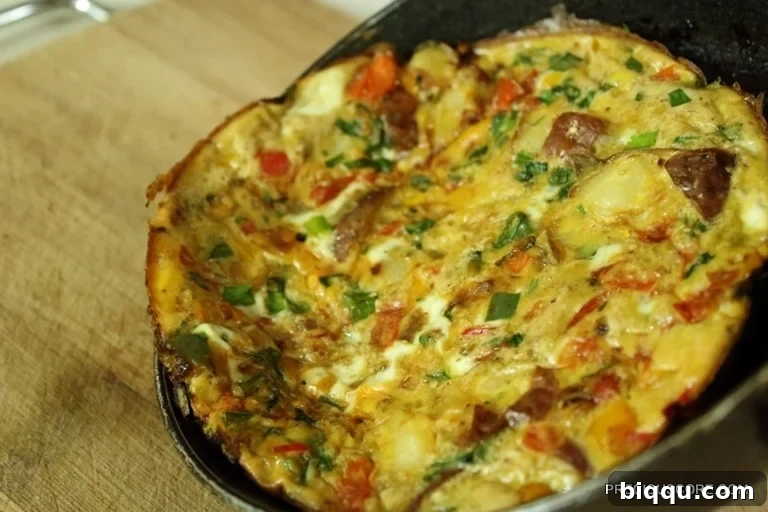
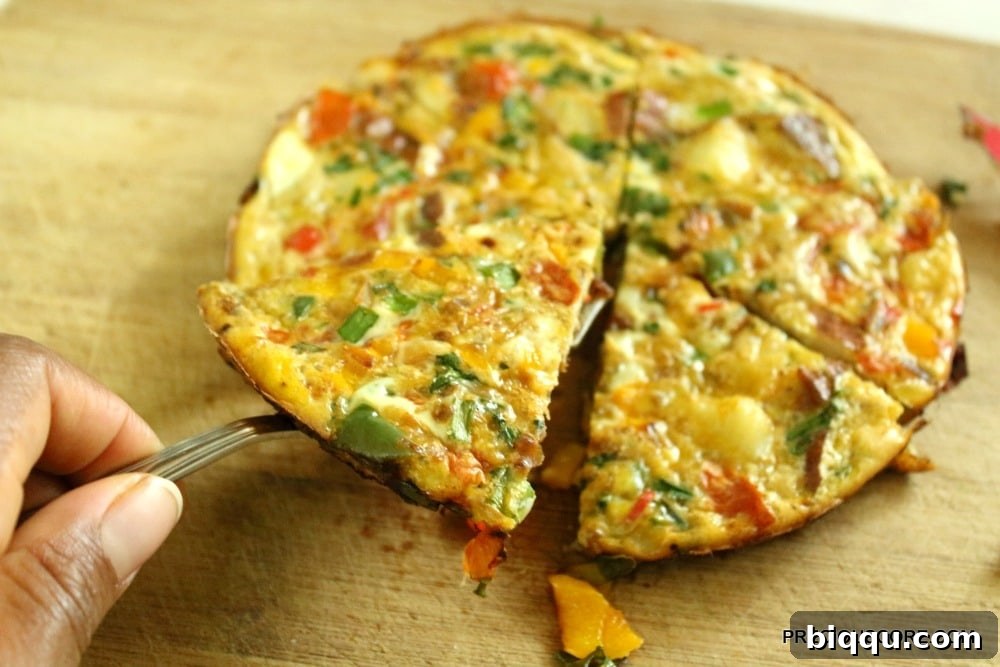
With careful precision and a sense of reverence, I expertly slid the perfectly golden frittata from its pan onto a clean cutting board. It’s an important step to allow the frittata to rest for a couple of minutes after it comes out of the oven. This brief resting period is vital, as it allows the eggs to fully set and settle, which in turn prevents the frittata from crumbling or falling apart when you begin to slice it. I took a moment to truly admire its magnificent form and the vibrant array of colors peeking through the fluffy egg matrix – a true labor of love that looked every bit as good, if not better, than it smelled.
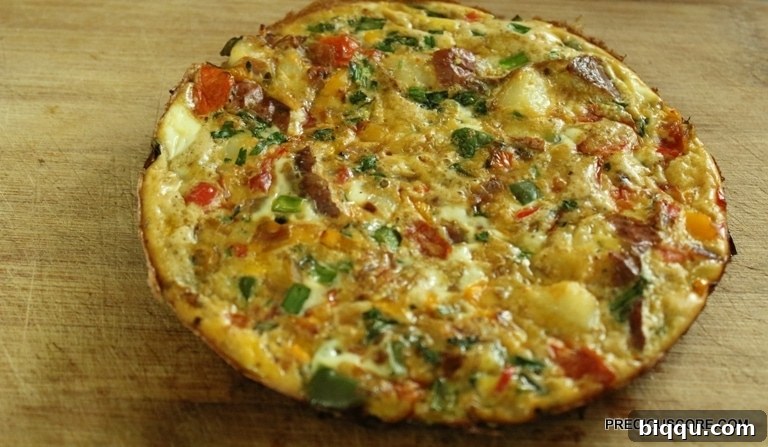
Then, with a sharp, precise knife, I skillfully cut the frittata into neat, appetizing wedges. Each individual piece beautifully showcased the vibrant tapestry of vegetables nestled comfortably within the fluffy, golden egg matrix. Every single wedge was a delicious promise of flavor, texture, and ultimate satisfaction.
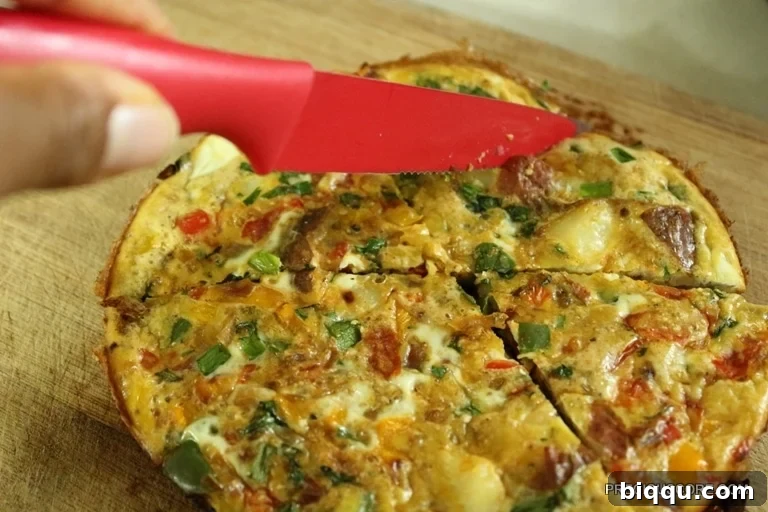
And then, as is the playful tradition with a dish this undeniably delicious, the friendly skirmish with Mr. N over who would get to enjoy just one more piece began anew. This recipe isn’t just good; it’s truly awesome and guaranteed to be a crowd-pleaser!
Unleash Your Creativity: Boundless Frittata Variations and Customizations
The true beauty and endless appeal of the frittata lie in its boundless adaptability. It’s not just a recipe; it’s a brilliant culinary concept that serves as a fantastic vehicle for experimentation with diverse flavors and an ingenious way to efficiently clear out your refrigerator of lingering ingredients. Don’t be shy about bravely throwing in whatever ingredients speak to you or, more practically, whatever ingredients urgently need to be used up before they spoil. Here are some inspiring ideas to ignite your creativity and help you craft your next signature frittata creation:
- Protein Power-Ups: Elevate the heartiness and satiety of your frittata by incorporating cooked and shredded chicken, crispy crumbled bacon, finely diced ham, savory cooked sausage, or even delicate flakes of smoked salmon for a touch of elegance.
- Cheesy Delights: Stir in a handful of your favorite cheese for an extra layer of indulgent flavor and irresistible creaminess. Options include sharp shredded cheddar, gooey mozzarella, tangy feta, or luxurious creamy goat cheese – each adds its unique character.
- More Veggie Adventures: Venture beyond the classic bell peppers and tomatoes. Consider adding finely sautéed mushrooms, tender asparagus tips, crisp broccoli florets, thinly sliced zucchini, sweet peas, or even a handful of vibrant baby spinach (assuming it hasn’t decided to “check out” like mine did!) – all would be delicious and nutritious additions.
- Herbaceous Touches: Fresh herbs are transformative. Incorporating sprigs of fresh thyme, aromatic rosemary, bright parsley, or refreshing dill can dramatically alter and enhance the flavor profile of your frittata, adding layers of complexity.
- Spice It Up: A pinch of smoked paprika can add warmth and color, a dash of onion powder or garlic powder can deepen the savory notes, and a hint of red pepper flakes can introduce a pleasant, subtle heat.
The only true limit to frittata creation is your imagination and what you happen to have on hand. There are undoubtedly fantastic ingredients hiding in your kitchen right now, just waiting to be discovered and transformed into your next signature frittata masterpiece. And whatever delightful combination you concoct, please, whatever you do, don’t forget to add a humble, yet incredibly delicious, miserable potato like I did – it genuinely makes a wonderful difference to the texture and heartiness of the dish!
Essential Tips for Achieving Frittata Perfection Every Time
Crafting a consistently perfect frittata is simpler than you might think, especially when armed with a few key techniques. Keep these invaluable tips in mind to ensure your frittata turns out beautifully fluffy, flavorful, and perfectly cooked every single time:
- Invest in an Oven-Safe Skillet: This is non-negotiable for true frittata success. A well-seasoned cast-iron skillet or any other high-quality oven-safe, non-stick pan is absolutely essential for the seamless stovetop-to-oven transfer that defines a classic frittata.
- Avoid Overcrowding Your Pan: While the frittata is wonderfully versatile, resist the temptation to overfill your skillet with too many ingredients. Overcrowding can prevent the frittata from cooking evenly, leading to a dense center and potentially uncooked spots.
- Season Generously and Thoughtfully: Eggs, particularly in a dish like a frittata, truly need ample seasoning to shine. Don’t be afraid to be generous with salt, freshly ground black pepper (or white pepper, as preferred), and your favorite complementary spices or herbs. Proper seasoning elevates all the other flavors.
- Keep a Vigilant Eye on the Oven: Frittatas tend to cook relatively quickly in the oven. It’s crucial to keep a close watch on it to prevent overcooking, which can unfortunately lead to a dry, rubbery, and less enjoyable texture. You’re aiming for just set, not overly browned.
- Embrace the Resting Period Before Slicing: Allowing the frittata to rest for at least 2-3 minutes after it comes out of the oven is a vital step. This short resting period allows the eggs to fully set and firm up properly, resulting in cleaner, more aesthetically pleasing slices that hold their shape beautifully.
Ready to Print? Your Delicious Frittata Recipe Awaits!
I’m not done yet – in fact, one of the most important and useful parts is still to come! Below, you’ll find the complete, easy-to-follow, and printable recipe for this utterly delightful Breakfast Frittata. It’s designed to guide you through each step with clarity and confidence. So, gather your fresh ingredients, prepare your trusty skillet, and get ready to create a dish that will not only bring immense joy to your taste buds but might even spark a friendly, heartwarming breakfast rivalry in your own home!
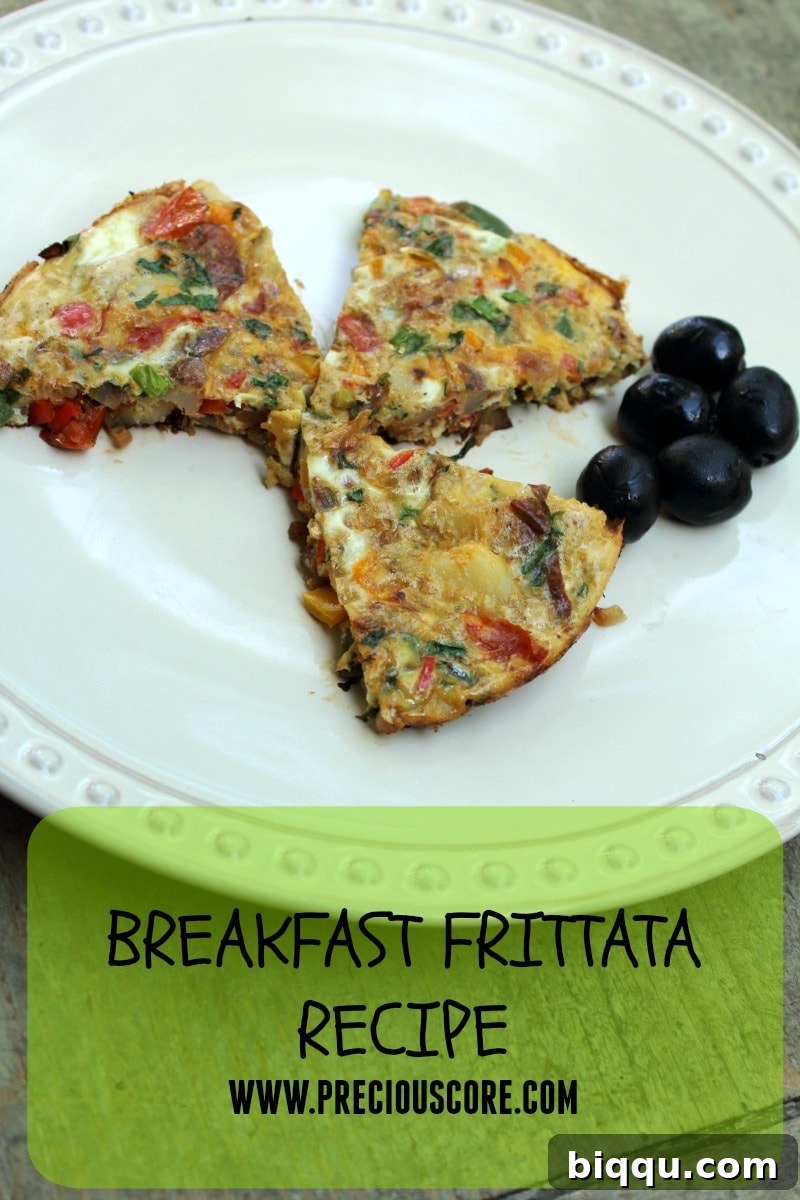
Printable Recipe: Hearty Breakfast Frittata
Breakfast Frittata
by Precious Nkeih (www.preciouscore.com)
Published: August 16, 2016
This is a glorified omelette which makes a glorious breakfast.
Details
Prep time: 15 mins
Cook time: 15 mins
Total time: 30 mins
Yield: 2 servings
Ingredients
- 2 large eggs
- 1 tablespoon olive oil
- 1 medium tomato, diced
- 1 small onion, diced
- 1 large or 2 small bell peppers (any color), chopped
- 1 seasoning cube (e.g., Maggi, crumbled)
- 2 stems green onions, chopped
- 1 handful fresh cilantro, chopped
- 1 medium baked or boiled Irish potato, diced (skin on or off, as preferred)
- Pinch of salt (to taste)
- Pinch of ground white pepper (optional, to taste)
- Optional: finely chopped hot pepper (e.g., habanero or chili) for a kick
Instructions
- Begin by dicing your baked or boiled potato, onion, and tomato into even, bite-sized pieces. Keep them separated in individual bowls for easy access. Separately, finely chop your fresh cilantro and green onions.
- Place an oven-proof skillet (a well-seasoned cast-iron skillet works wonderfully) on medium heat on your stovetop and pour in the olive oil. Allow the oil to heat until it shimmers gently, indicating it’s ready for cooking.
- Add the diced onion to the hot oil and sauté it gently until it becomes translucent and noticeably soft, typically taking about 3-5 minutes. This step helps to sweeten the onion and build a flavor base.
- Introduce the chopped tomato to the skillet and continue to sauté for another 2-3 minutes. This allows the tomato to soften, release its juices, and meld its flavors with the sautéed onion.
- Now, add the diced potatoes, chopped bell peppers, green onions, and cilantro to the skillet. Mix all the vegetables thoroughly and cook for an additional 3-5 minutes, stirring occasionally, until they are slightly softened and warmed through.
- While the vegetables are cooking, crack the eggs into a separate, medium-sized bowl. Crumble the seasoning cube directly into the eggs, then add a pinch of salt and ground white pepper (if you choose to use it). Whisk everything together vigorously and thoroughly until all ingredients are well combined and the mixture is slightly frothy.
- Carefully pour the whisked egg mixture evenly over the vegetables in the skillet. Ensure that the eggs spread to every corner and crevice of the pan, coating all the ingredients.
- Allow the frittata to cook undisturbed on the stovetop for about 1 minute. This initial cooking helps the edges of the frittata to set, preventing it from sticking. Simultaneously, ensure your oven is preheated to 350 degrees Fahrenheit (176 Degrees Celsius).
- Gently and carefully transfer the skillet directly from the stovetop into the preheated oven. Bake for approximately 10 minutes, or until the frittata is completely set and cooked through in the center. Watch it closely to prevent the top from browning excessively, aiming for a lightly golden finish.
- Once baked to perfection, remove the frittata from the oven and let it rest in the skillet for 2-3 minutes. This brief resting period is crucial, as it allows the frittata to firm up and makes for easier, cleaner slicing.
- Slice the frittata into neat wedges directly in the pan, or carefully slide it onto a cutting board before cutting. Serve warm or at room temperature, and savor every delicious bite!