
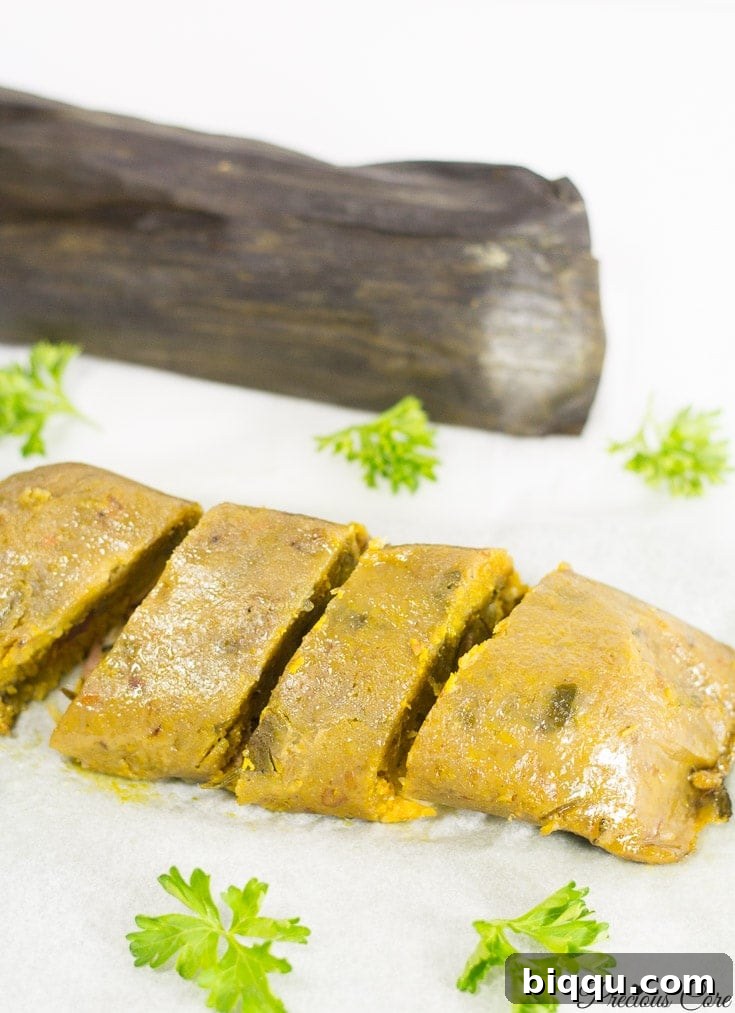
Discover Kwacoco Bible: A Culinary Journey into Cameroonian Tradition
It’s with a touch of nostalgia and immense joy that I revisit this particular recipe. Two years ago, this very dish marked the beginning of my blogging adventure, becoming the first recipe ever shared on this platform. Looking back at my initial post with its charmingly archaic photography, it’s incredible to see how far we’ve come. Due to overwhelming requests, I’ve now created a comprehensive video guide for this delectable goodness known as Kwacoco Bible. While the origins of the “Bible” in its name remain a delightful mystery, one thing is certain: this dish, crafted from grated cocoyams, lovingly wrapped in banana leaves, and expertly cooked, is nothing short of extraordinary.
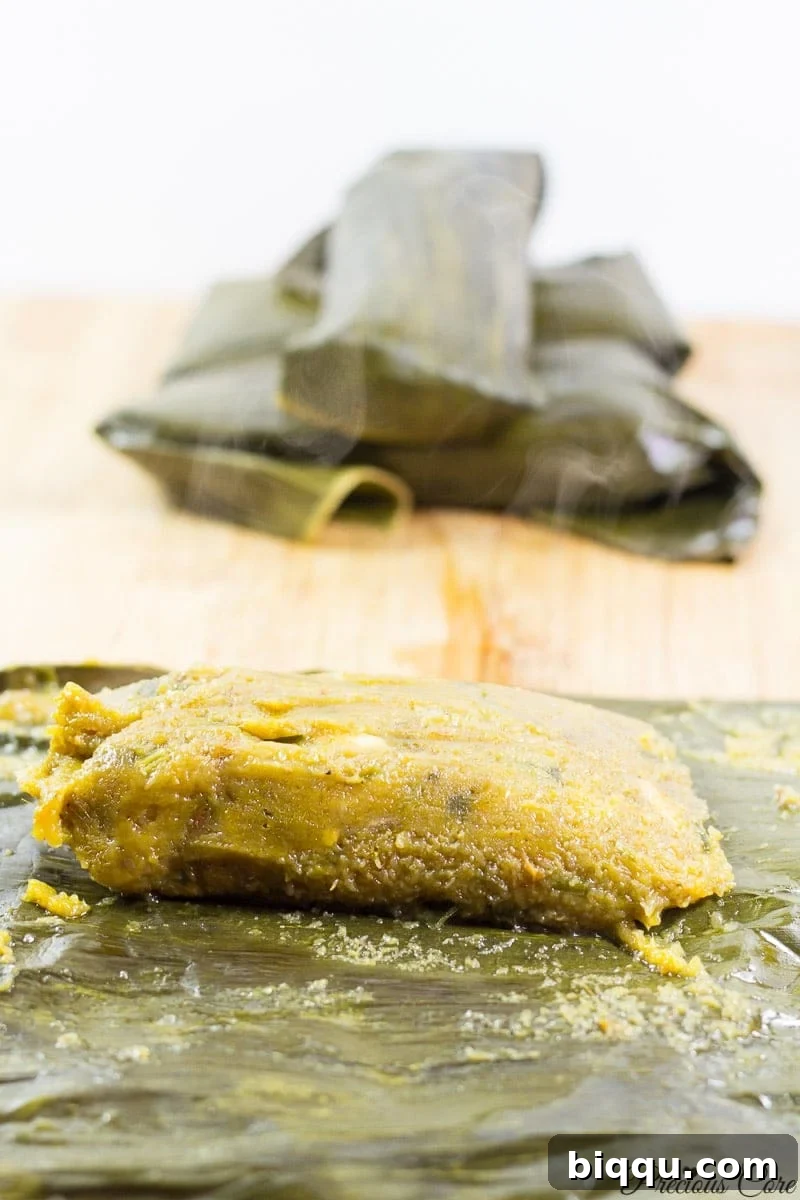
Kwacoco Bible holds a special place in the hearts and culinary traditions of the Bakweri people in Cameroon, where it is a staple and a beloved delicacy. To delve deeper into the rich history and cultural significance of this meal, I invite you to explore my original post, which shares a sweet backstory. Traditionally, the magic of Kwacoco Bible comes alive when it’s wrapped in banana leaves, which impart a unique aroma and flavor during the cooking process. However, if banana leaves are not readily available in your region, fret not! Aluminum foil serves as an excellent alternative, ensuring your Kwacoco Bible still achieves its signature texture and taste. The detailed recipe awaits you further down this page, offering a step-by-step guide to mastering this authentic Cameroonian dish.
For a visual guide to the preparation process, simply press play below to watch me bring this incredible dish to life:
The Essence of Kwacoco Bible: A Cameroonian Delight
Kwacoco Bible is more than just a dish; it’s a testament to the vibrant culinary heritage of Cameroon. It beautifully showcases how simple, wholesome ingredients can be transformed into a deeply satisfying and flavorful meal. At its core, this dish is a harmonious blend of grated cocoyams, often enriched with smoked fish, aromatic spices, and a touch of palm oil, all steamed to perfection within a protective wrapper. The result is a soft, slightly sticky, and incredibly savory pudding-like consistency that is utterly comforting.
Cultural Significance and Origins
Primarily enjoyed by the Bakweri ethnic group, indigenous to the South West Region of Cameroon, Kwacoco Bible is often a centerpiece at family gatherings, celebrations, and traditional ceremonies. Its presence on the table signifies warmth, community, and the sharing of culinary traditions passed down through generations. While the exact reason for the addition of “Bible” to its name is not clearly documented, some speculate it might relate to the dish’s historical importance, perhaps as a foundational or ‘sacred’ food within the culture, or simply due to its compact, book-like appearance when wrapped. Regardless of its name’s origin, its cultural impact is undeniable, serving as a cherished link to Cameroonian identity.
Key Ingredients: Building the Flavor Profile
Each ingredient in Kwacoco Bible plays a crucial role in crafting its distinctive flavor and texture:
- Cocoyams (Taro): The star of the show, cocoyams are starchy root vegetables that provide the dish’s fundamental body and mild, earthy flavor. When grated, they create a smooth, dense paste essential for the Kwacoco’s texture. Rich in dietary fiber, vitamins, and minerals, cocoyams offer a nutritious base for this satisfying meal.
- Palm Oil: This vibrant red oil is a cornerstone of West African cuisine. Beyond its beautiful hue, palm oil lends a rich, distinctive flavor and helps bind the ingredients, creating a moist and tender result. It’s also a source of healthy fats and antioxidants.
- Smoked Fish: Flaked smoked fish introduces a deep, umami-rich flavor that is characteristic of many Cameroonian dishes. It adds a wonderful savory depth and protein, complementing the sweetness of the cocoyams.
- Crayfish: Roughly blended crayfish is another powerful flavor enhancer, contributing a pungent, seafood aroma that elevates the overall taste profile. It’s a secret weapon for authentic African flavors.
- Seasoning Cubes (Maggi) & Salt: These essential seasonings balance and enhance all the other flavors, ensuring a well-rounded and savory experience.
- Scotch Bonnet Pepper: For those who appreciate a kick, a Scotch bonnet pepper adds a fiery, aromatic heat that awakens the palate. Adjust according to your spice preference.
- Cocoyam Leaves (or Spinach): These leafy greens provide a subtle earthy note, a pleasant textural contrast, and a boost of vitamins and minerals. Spinach is a convenient and effective substitute.
Mastering the Preparation of Kwacoco Bible
Creating Kwacoco Bible is an art form, but one that is entirely achievable with patience and attention to detail. The process, while traditional, is straightforward and yields incredibly rewarding results.
Step-by-Step Culinary Guide:
- Cocoyam Preparation: Begin by carefully peeling the cocoyams. This can be a bit tricky, as cocoyams can sometimes cause mild skin irritation, so wearing gloves is advisable. Once peeled, the most critical step is grating them into a very smooth, fine paste. Traditionally, this is done by hand using a grater, which helps achieve the desired consistency. For a more modern and time-saving approach, a food processor can be effectively used to process the cocoyams until they form a uniform, smooth paste. The smoother the paste, the silkier the final Kwacoco.
- Mixing the Ingredients: In a large mixing bowl, combine the grated cocoyam paste with the lightly warmed palm oil, flaked smoked fish, roughly blended crayfish, seasoning cubes (Maggi), salt, chopped cocoyam leaves (or spinach), and the Scotch bonnet pepper (if using). Use your hands or a sturdy spoon to mix everything thoroughly. The goal is to ensure all ingredients are evenly distributed and well-incorporated into the cocoyam paste. The mixture should be a vibrant orange-red hue from the palm oil and have a slightly sticky consistency.
- Wrapping the Kwacoco: This is where the “Bible” part of the name truly comes into play. If using banana leaves, ensure they are clean and softened (you can briefly pass them over a flame or dip them in hot water to make them pliable). Take about 3/4 cup of the cocoyam mixture and place it onto a banana leaf or a piece of aluminum foil. Carefully wrap the mixture, folding the sides inwards to create a neat, compact packet. The idea is to create small, individual portions that will steam perfectly. Arrange these little wraps neatly in a large pot, lining the bottom of the pot with extra banana leaves or foil to prevent burning and impart extra flavor.
- Steaming to Perfection: Once all the Kwacoco wraps are in the pot, cover them with additional banana leaves or a layer of aluminum foil. This helps to trap the steam and ensure even cooking. Then, carefully add water to the pot, ensuring it reaches about halfway up the height of the wraps. Bring the water to a boil, then reduce the heat to a simmer, allowing the Kwacoco to steam gently for at least one hour. Steaming is key to achieving the soft, tender texture of the dish.
- Monitoring and Finishing: During the cooking process, check the water level every 15 minutes or so. It’s crucial to add more hot water as needed to prevent the pot from drying out and the Kwacoco from burning. Continue steaming until the Kwacoco is thoroughly cooked, firm but still tender. After one hour, or once fully cooked, allow any remaining water in the pot to dry up over low heat. This final step helps to set the Kwacoco and enhance its flavor. Turn off the heat once the water has evaporated.
- Serve and Enjoy: Carefully remove the Kwacoco wraps from the pot. Unravel them to reveal the steaming, delicious Kwacoco Bible within. Serve immediately and savor the rich, complex flavors of this traditional Cameroonian delicacy.
Kwacoco Bible
Rate
Print Recipe
Ingredients
- 7 medium cocoyams (taro)
- 1 cup palm oil – lightly warmed
- 1 cup smoked fish – flaked
- 1 cup crayfish – roughly blended
- 3 small seasoning cubes (Maggi)
- 1/2 teaspoon salt
- 1 scotch bonnet pepper
- 1/2 bunch cocoyam leaves (or spinach) – chopped
Instructions
-
Peel cocoyams then use a grater to grate into a smooth paste (please see video for demonstration). Alternatively, a food processor can be used for efficiency.
-
Combine the grated cocoyams with salt, Maggi seasoning, palm oil, spinach (or cocoyam leaves), and flaked smoked fish. Mix thoroughly until all ingredients are well incorporated.
-
Prepare your cooking pot by lining the bottom with banana leaves or aluminum foil to prevent sticking and enhance flavor. Take approximately 3/4 cup of the cocoyam mixture and wrap it securely in a portion of banana leaf or aluminum foil. Place these individual wraps into the prepared pot.
-
Cover all the wraps with additional banana leaves or aluminum foil. Add water to the pot, ensuring it covers about half of the wraps. Bring to a boil, then reduce heat and simmer, allowing the Kwacoco to cook for one hour.
-
Check the water level every 15 minutes, adding more hot water if necessary to prevent the pot from drying out. After one hour of cooking, allow any remaining water in the pot to evaporate completely over low heat before turning off the stove.
-
Carefully unwrap the Kwacoco Bible and serve hot. Enjoy this authentic Cameroonian delicacy!
Notes
Nutrition
Additional Info
Serving Suggestions and Variations
Kwacoco Bible is incredibly versatile. While it’s delicious on its own, it’s often paired with a savory stew or sauce to complete the meal. As mentioned in the recipe notes, Canda Stew (made with beef skin) is a traditional and highly recommended accompaniment, offering a rich and spicy contrast. Other popular pairings include various vegetable stews, rich tomato-based sauces, or even a simple fresh pepper sauce for an extra kick. For those looking to experiment, consider adding different types of flaked fish or even ground meat to the cocoyam mixture for a unique twist. You can also vary the leafy greens, using bitter leaf or water leaf if available, for slightly different flavor profiles.
Health Benefits of Kwacoco Bible
Beyond its incredible taste and cultural significance, Kwacoco Bible offers several nutritional benefits. Cocoyams are a good source of complex carbohydrates, providing sustained energy, and are rich in dietary fiber, which aids digestion. They also contain essential vitamins and minerals, including Vitamin C, B vitamins, potassium, and magnesium. The addition of palm oil contributes healthy fats and powerful antioxidants like Vitamin E and carotenoids, which are beneficial for eye health. Smoked fish and crayfish add a significant protein boost and essential omega-3 fatty acids, supporting heart and brain health. With its blend of root vegetables, protein, and leafy greens, Kwacoco Bible is a wholesome and nourishing meal.