
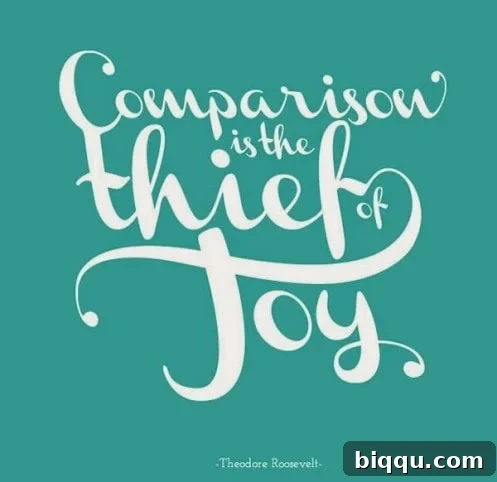
The Silent Destroyer: Why Comparing Your Relationship Is a Recipe for Unhappiness
In the intricate dance of human connection, one of the most insidious traps we can fall into is the act of comparing our relationships, our partners, or even our entire married life to those of others. What often begins as an innocent observation can quickly spiral into a destructive force, eroding contentment and sowing seeds of resentment. This article delves into the profound dangers of relationship comparison, offering insights and strategies to foster genuine happiness and appreciation within your unique bond.
The Echo of Envy: Eposi’s Tale and the Immediate Fallout
Consider the story of Eposi and Susan, a familiar scenario that plays out in countless homes worldwide. Eposi knocks on Susan’s door and is greeted by a cheerful voice, “Yes, come in!” As Eposi steps inside, her eyes scan the scene: a vibrant array of groceries, which Susan is meticulously sorting from overflowing shopping bags and boxes. A seemingly innocent exchange begins, yet beneath the surface, a dangerous current is forming.
Eposi observes, “My friend, it looks like you just returned from the market.” Susan, beaming, replies, “Yes ooo! My husband gave me money to buy groceries for the house.” Initially, Eposi offers a cordial, “Good for you, my friend.” But the pleasantries quickly dissolve as comparison takes root. Eposi’s tone shifts to one of bitter complaint: “My stupid husband only gives me 3000 Francs for a whole week (showing her three fingers to Susan). I wonder what he does with all the money he is making.”
Susan, perhaps unaware of the growing resentment in her friend, innocently boasts, “My sister, I thank God for my husband ooo. He gives me 20,000 Francs for food every week. We hardly lack good food in this house.” This seemingly casual conversation continues, with Eposi lamenting her perceived misfortune and Susan unwittingly fueling her friend’s envy. The more Susan speaks of her husband’s generosity, the deeper Eposi’s bitterness entrenches itself.
By the end of her visit, Eposi is consumed by jealousy and a simmering anger, ready to confront her ‘good-for-nothing’ husband. That evening, the peace of their home shatters. “When are you going to start doing things like a real man in this house?” she shouts angrily, her voice laced with the venom of comparison. Before her stammering husband, Peter, can gather his breath to reply, she drops another bombshell, a direct quote of her earlier comparison: “Susan’s husband gives her 20,000 Francs every week for shopping but all you give me is 3000! 3000 miserable Francs, Peter!”
The words hang heavy in the air, piercing Peter’s self-worth. An enraged Peter, feeling deeply inadequate and unfairly judged, rushes towards Eposi and lands a slap on her face. What follows that evening is not a discussion but a brutal battle of words and fists, a domestic storm ignited by the seemingly harmless act of comparing one husband’s provision to another’s. This vivid illustration underscores the devastating immediate consequences that can arise when we measure our partners against someone else’s perceived success or generosity.
The Perilous Path of Relationship Comparison
While the physical altercation in Eposi and Peter’s story is an extreme outcome, the underlying tension and dissatisfaction caused by comparing relationships are universally damaging. It’s a common pitfall, affecting both men and women. Men, too, often find themselves comparing their wives to the wives of their friends, leading to feelings of inadequacy, dissatisfaction, and an inability to appreciate the unique qualities of their own spouse.
The Illusion of Perfection: Social Media and Movies
One of the most insidious parameters people use for comparison today comes from media – be it movies, television shows, or perhaps most prevalently, social media. In a movie, you might watch a flawlessly charming gentleman who treats his wife like a queen, showering her with grand gestures and poetic words. After witnessing such a portrayal, it’s easy to begin viewing your own husband, who has been doing his best to provide and care for you in his own way, as a “beast” or somehow lacking. We often forget that the man on screen is an actor, delivering lines written by someone else, living a fictional life. The actor himself might be divorced five times in real life, his personal relationships far from the silver screen’s perfection. Social media amplifies this illusion, presenting carefully curated highlight reels of others’ lives, making mundane reality seem dull by comparison.
Eroding Appreciation and Breeding Resentment
Constant comparison chips away at the foundation of appreciation within a relationship. When you’re always looking at what someone else has, you become blind to the blessings and efforts within your own union. This breeds resentment – resentment towards your partner for not measuring up, and often, a subtle resentment towards yourself for feeling dissatisfied. It creates a cycle where you focus on perceived deficiencies rather than celebrating existing strengths, transforming admiration into covetousness.
Fueling Conflict and Communication Breakdowns
As seen with Eposi and Peter, comparison often leads to direct conflict. When comparisons are voiced, they tend to be accusatory and critical, putting the partner on the defensive. Instead of fostering open communication, it shuts it down, making partners feel judged, unappreciated, and inadequate. Such dynamics can severely damage trust and create an environment where genuine connection struggles to thrive, leading to emotional distance and prolonged disagreements.
The Uniqueness of Every Union
Fundamentally, no two marriages are the same. Just as identical twins possess their own distinct personalities and life paths, so too do relationships. Each couple navigates a unique set of circumstances, challenges, and joys. What works for one couple, financially, emotionally, or socially, might not be suitable or even desirable for another. Therefore, no matter the superficial similarities, attempting to compare your marriage to someone else’s is an exercise in futility and a direct path to dissatisfaction.
Why We Fall Into the Comparison Trap
The inclination to compare often stems from several deep-seated psychological and societal factors. We live in a culture that frequently emphasizes external validation and achievement, leading us to constantly assess where we stand relative to others. Insecurity, the fear of missing out (FOMO), and an idealized vision of happiness, often fueled by media, can all contribute to this destructive habit. We might compare seeking reassurance, only to find our insecurities amplified when we perceive others as having “more” or “better.”
Cultivating Contentment: Strategies to Stop Comparing Your Partner
Breaking free from the comparison trap requires conscious effort and a shift in perspective. Here are actionable strategies to help you cultivate contentment and strengthen your unique relationship:
Embrace Gratitude
Actively practice gratitude for what you have. Instead of focusing on what your partner lacks compared to others, make a conscious effort to acknowledge and appreciate their specific qualities, efforts, and contributions to your life and relationship. Keep a gratitude journal, or simply take a moment each day to verbally express thanks to your partner for something, however small. This shifts your focus from scarcity to abundance.
Communicate Openly and Honestly
If you find yourself struggling with feelings of inadequacy or envy stemming from comparisons, communicate these feelings with your partner. Do so without blame or accusation. Explain how you feel, rather than what you think they “should” be doing. For example, instead of “Why can’t you be more like X’s husband?”, try “Sometimes I feel a little insecure when I see X and Y, and I want to talk about how we can feel more secure in our own finances/relationship dynamic.”
Set Realistic Expectations
Understand that perfection is a myth. No partner, no relationship, will ever be without flaws or challenges. Embrace the imperfections and acknowledge that true partnership involves navigating these together. Realistic expectations protect you from the disappointment that inevitably follows idealized comparisons.
Mind Your Media Consumption
Be mindful of the content you consume. If certain social media accounts or television shows consistently trigger feelings of envy or inadequacy, limit your exposure to them. Remember that what you see online or on screen is often a carefully curated or fictionalized version of reality.
Invest in Your Own Relationship
Instead of wishing you were Mr. X or Mrs. Y, invest that energy into making your own relationship better. Plan date nights, engage in shared hobbies, have deep conversations, and create new memories together. Focus on building and nurturing the unique bond you share, rather than longing for someone else’s.
Focus on Personal Growth
Work on you. When you feel secure and content within yourself, you are less likely to seek external validation or compare your life to others. Invest in your personal hobbies, career, and self-care. A happier, more fulfilled individual contributes positively to a relationship.
Seek Professional Guidance
If the habit of comparison is deeply ingrained and causing significant distress or conflict in your relationship, consider seeking help from a therapist or relationship counselor. They can provide tools and strategies to address underlying insecurities and improve communication.
The Unshakable Foundation of Contentment
The path to lasting happiness in a relationship is not found in endless comparison, but in the profound wisdom of contentment. As the biblical Apostle Paul eloquently stated, “I have learned to be content whatever the circumstances” (Philippians 4:11). This timeless principle applies powerfully to our relationships. Learning to be content with your spouse, with your shared life, and with the unique journey you are on together is the true key to happiness.
Contentment doesn’t mean settling for less or abandoning aspirations for growth. Instead, it means cultivating an inner peace and appreciation for what you have, while still striving for positive change within your own context. It’s about recognizing that happiness isn’t a destination achieved by mimicking another’s path, but a state of being cultivated through gratitude, realistic expectations, and genuine connection.
Building Your Unique Happily Ever After
In conclusion, the temptation to compare your relationship or partner to others is a common but dangerous trap. It fosters dissatisfaction, breeds resentment, creates unrealistic expectations, and can lead to significant conflict. By understanding the perils of comparison and actively implementing strategies such as embracing gratitude, open communication, and focusing on personal and shared growth, you can safeguard your relationship from this silent destroyer.
Your relationship is a unique tapestry woven with your shared experiences, strengths, and imperfections. Celebrate its distinct beauty, nurture its growth, and choose contentment over endless comparison. By doing so, you will build a stronger, more authentic, and deeply fulfilling connection, creating your own unique and truly happy ever after.