
Unmistakable Signs: Discovering the Heart of Cameroonian Identity

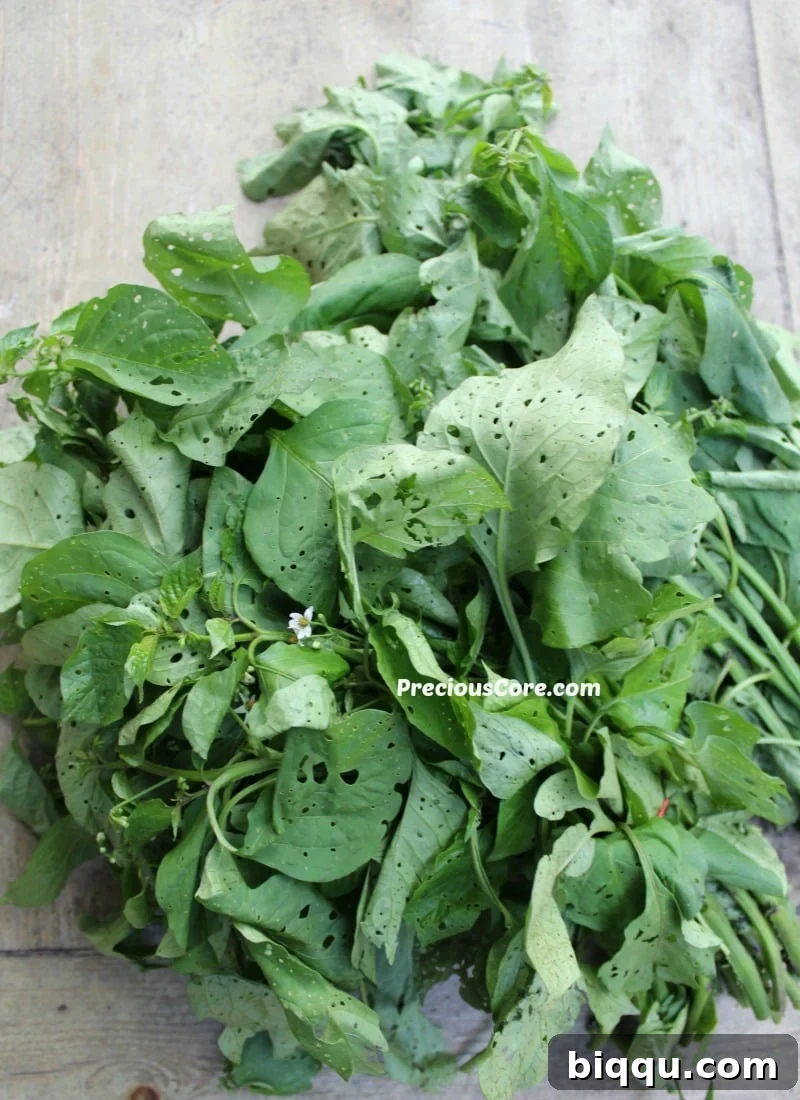
The experience is almost universal for Cameroonians living abroad or navigating new environments. Just recently, a friend recounted a story about returning home with bags brimming with Njama Njama from the local farmers market. This sparked a lively discussion about the uncanny ability to spot a fellow Cameroonian in a crowd, simply by observing their market habits. Their eyes, almost instinctively, scan the produce stalls, alight with a determined quest for our beloved Njama Njama, known globally as garden huckleberry.
There’s a certain zeal, a focused intensity, when a Cameroonian hunts for these verdant leaves – as if their very essence, their life force, depended on securing a fresh bunch. It’s more than just a vegetable; it’s a connection to home, a taste of shared heritage. This observation opened a deeper reflection: what are the myriad elements that truly define and unite the people of Cameroon? From the rich tapestry of our cuisine to the echoes of childhood games, and the nuances of our language, a distinct Cameroonian identity emerges, woven from shared experiences and cherished traditions.
You know you are Cameroonian when these delightful and often humorous characteristics resonate deeply within your soul:
The Culinary Soul of Cameroon
Food is not merely sustenance in Cameroon; it is the very heart of our culture, a language of love, celebration, and belonging. Our culinary traditions are as diverse and vibrant as our people.
-
Party Time: A Feast for the Senses
For Cameroonians, any gathering, big or small, transforms into an elaborate celebration of food and drink. “Party time means eat, drink, repeat” isn’t just a phrase; it’s a philosophy. Tables groaning under the weight of delicious dishes, the clinking of glasses, and the constant hum of chatter underscore the central role of sharing a meal in our social fabric. It’s an unspoken rule: come hungry, leave satisfied, and be ready for seconds (or thirds!).
-
The Iconic Trio: Eru, Ndole, and Burning Fish
If you have a profound, unconditional love for Eru, Ndole, and Burning Fish, then your Cameroonian roots run deep. These dishes are more than just meals; they are cultural touchstones, evoking moments of pure joy and nostalgia. Eru, a savory dish of wild spinach and waterleaf often served with fufu, Ndole, a bitter leaf soup typically prepared with groundnuts and fish or beef, and the ubiquitous, perfectly grilled “Burning Fish” (often tilapia), are staples that define comfort food for many.
-
The Street Food Classic: Puff Puff and Beans
You’ve almost certainly indulged in the delightful combination of Puff Puff and Beans at least once. These fluffy, deep-fried dough balls paired with a rich bean stew are a beloved breakfast, snack, or light lunch. The memory of rushing to your favorite “Mami Puff Puff’s” stall, only to find it closed due to her illness, might still bring a pang of comical frustration. “Wicked woman!” you might have playfully (or seriously) exclaimed, showcasing the deep emotional connection to these simple, yet satisfying, street eats.
-
Christmas Day Rice: A Non-Negotiable Tradition
The festive season in a Cameroonian household is incomplete without a generous serving of rice on Christmas Day. Whether it’s Jollof Rice, fried rice, or a simple white rice served with a special stew, this grain is a mandatory centerpiece, symbolizing abundance and celebration.
-
Road Trip Culinary Adventures
Long road trips aren’t just about the destination; they’re an anticipated journey through a movable feast. The excitement builds with every stop, knowing you’ll encounter vendors selling delicious regional specialties. Indulge in “Burning Planti and Plum” (roasted plantains and peanuts), more grilled fish, refreshing Pamplemousse (grapefruit), or hearty soya (grilled meat skewers). These roadside culinary delights are an integral part of the Cameroonian travel experience.
Echoes of a Cameroonian Childhood
Growing up in Cameroon is an experience rich with unique games, family dynamics, and linguistic quirks that shape one’s identity from an early age.
-
Parental Expectations and Unseen Distances
The phrase “Your father was always first in school. How can you fail?” is likely etched into the memory of many a Cameroonian child, a common parental exhortation for academic excellence. This, coupled with the classic parental request, like “Azahhh!!! Gimme that coco for front dey make ah peel am” (meaning, “Hey! Pass me that cocoyam right there so I can peel it”), often for an item seemingly within arm’s reach, highlights the playful authority and practicality within Cameroonian homes. It taught us to be attentive and responsive.
-
The Extended Family Home
A Cameroonian home is rarely just nuclear. Most grew up in bustling households comprising not just parents and siblings, but also uncles, aunts, cousins, and various relatives. This multi-generational living fosters a strong sense of community, shared responsibility, and an endless stream of stories and laughter. It’s a testament to the strong communal bonds that define Cameroonian society, where family extends far beyond immediate kin.
-
The Universal Language of Football
Whether you’re a devoted fan or not, football undeniably permeates Cameroonian life. The roar of the crowd, the passionate debates, and the national pride during tournaments are inescapable. Even if you don’t personally follow the sport, someone in your immediate circle – a father, brother, or neighbor – almost certainly lives and breathes football, making it a constant backdrop to daily life.
-
The Art of the “Dash”
A trip to the market or a shop often culminates in the delightful tradition of asking for “dash” after a purchase. This isn’t just about haggling; it’s a friendly request for a little extra, a small bonus, or a discount, reinforcing the personal connection between vendor and customer. It’s a subtle yet significant part of Cameroonian commercial interactions.
The Rhythm of Cameroonian Communication
Language in Cameroon is a vibrant blend of official languages and colloquialisms, reflecting our diverse cultural tapestry.
-
Bilingualism and Beyond
The ability to navigate between English and French, even if one is “broken” or the other “fixed,” is a hallmark of many Cameroonians. Beyond the official languages, a rich tapestry of local languages and Pidgin English adds another layer to our unique communicative style. Phrases like calling beer “one man,” “shack,” or “mimbo” are instant identifiers, understood in their specific local contexts.
-
Timeless Childhood Games and Songs
Growing up, playing games like “tabala,” “cizo,” “dodging,” and “ehn ehn” were rites of passage, fostering camaraderie and creativity. These traditional games, often played outdoors with simple props, filled our afternoons with energy and joy. And who can forget the catchy tunes and communal singing, like “Mr Cocoji e bikin di falla goat, E nack e food…” – a melody that instantly transports you back to simpler times.
-
Imaginative Play and Ingenuity
Childhood in Cameroon was a testament to resourcefulness and imagination. From orchestrating elaborate “pretend wars” in uncompleted buildings to crafting intricate cars from flip-flops and scrap wood, and even “cooking” mud as food in old tomato or sardine cans, creativity knew no bounds. These experiences shaped our ability to innovate and find joy in the simplest things.
-
The “Two-Rope Sleppas”
For many, flip-flops aren’t just flip-flops; they’re affectionately known as “two-rope sleppas.” This descriptive, homegrown term highlights the unique way Cameroonians often adapt and personalize language to suit their environment.
Social Tapestry and Unique Traits
Cameroonian society is defined by its warmth, hospitality, and distinctive social behaviors that often carry a touch of humor.
-
The Visa Interview Exception
It’s a common, self-deprecating joke among Cameroonians that while you might be notoriously late for almost everything else in life, you undoubtedly arrived exceptionally early for your American visa interview. This humorous observation underscores a practical punctuality driven by significant stakes.
-
Affectionate Family Terms
The endearing custom of calling your mother “reme” and your father “repe” is a beautiful reflection of the intimacy and respect within Cameroonian families, particularly in certain linguistic contexts. These terms are deeply personal and signify a bond beyond ordinary titles.
-
Fathers and the Kitchen
Traditionally, fathers in Cameroonian households had minimal involvement in the kitchen during your upbringing. This makes stories of a father venturing into culinary territory, like a friend’s dad attempting to recreate a Potato Hotpot but proudly declaring it Poulet DG, all the more memorable and endearing. It’s a nod to evolving gender roles and the humor found in household dynamics.
-
Terms of Endearment Among Friends
The casual and friendly ways Cameroonians address their friends – “boh,” “massa,” or “o boy” – are instantly recognizable. These terms signify camaraderie, informality, and a shared cultural understanding that transcends mere acquaintanceship.
-
The Significance of Names: “Waiman” vs. “Contri”
While you might be known by a common name like “Precious” to the outside world, your family often reserves a special, more intimate name for you, like “Meshi,” “Ma Meshi,” or “Mamire.” This “contri” (country) name holds deeper significance; it’s the name that truly matters to them, a mark of genuine identity and connection, contrasting with the more formal “waiman” (white man) name often adopted for broader societal use.
-
Unwavering Hospitality: The Rule of Food and Drink
A visit to a Cameroonian home is fundamentally incomplete without being offered and served food and/or drink. It’s a deeply ingrained cultural expectation and a profound expression of hospitality. The anecdote of a young boy putting his hands on his head in disbelief because a friend refused a drink offer from a neighbor perfectly encapsulates this unspoken rule: “How you go deny mimbo???” (How could you refuse a drink?!). It speaks volumes about the importance of generosity and sharing in Cameroonian social interactions.

These are just some of the vibrant threads that weave the rich tapestry of Cameroonian identity. From the taste of Njama Njama to the sound of familiar childhood songs, each characteristic contributes to a unique and deeply cherished heritage. What aspects of your country’s culture make its people truly unique? We invite you to share your own experiences and observations below, as we celebrate the beautiful diversity of our global community.